



Founded in 1950, St. Thomas College, Palai, has to its credit almost seventy-five years of distinguished service in the field of higher education in the state of Kerala sending out many graduates maxima cum laude to carve out their destinies in diverse spheres. It is a college located in a semi-urban area catering to the needs of the students mainly coming from the rural background. The idea of establishing an Arts and Science College at Palai lay dormant for a long time in the minds of the Syrian Catholic community of the area. Read More!

The latest from STCP


Events
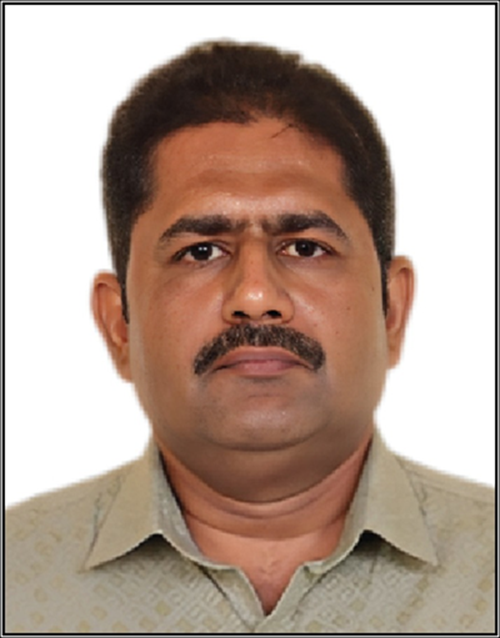
Principal’s Message
There is a divinity that shapes our ends….
There is a divinity that shapes our ends….
A warm welcome to St Thomas College Palai (Autonomous), a premier institution of higher education managed by the Eparchy of Palai and committed to academic excellence, innovation, and value-based learning. The College proudly carries forward a distinguished legacy of nurturing generations of students since 1950.
Prof. (Dr.) Toji Thomas
Principal
Many players searching for a plane-style betting experience often discover jahaj wala game paisa wala, where a rising aircraft multiplier determines potential winnings. Each round moves quickly, encouraging players to decide the right moment to stop before the flight suddenly ends. The page explains how the game works and why timing plays such an important role.
Looking for a mobile version? The tower x game download for android page explains how to install the game on Android devices and start playing directly from your phone. It also outlines the basic setup steps and what players can expect from the app version.
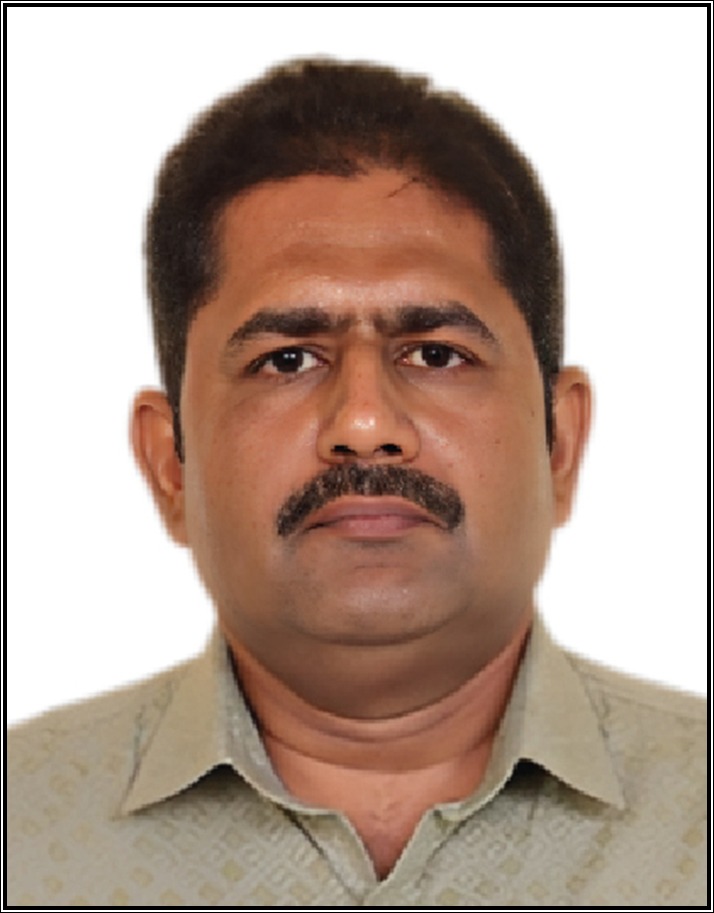
Principal’s Message
There is a divinity that shapes our ends….
There is a divinity that shapes our ends….
A warm welcome to St Thomas College Palai (Autonomous), a premier institution of higher education managed by the Eparchy of Palai and committed to academic excellence, innovation, and value-based learning. The College proudly carries forward a distinguished legacy of nurturing generations of students since 1950.
Prof. (Dr.) Toji Thomas
Principal
Discover – Study – Develop – Achieve
St. Thomas College Offers You
UG Honours Programme
Majors Offered
B.A. Honours
B.Sc. Honours
B.Com Honours
B.S.M. Honours
B.C.A. Honours
Minors Offered
Self- Financing
Post Graduation
Programmes Offered

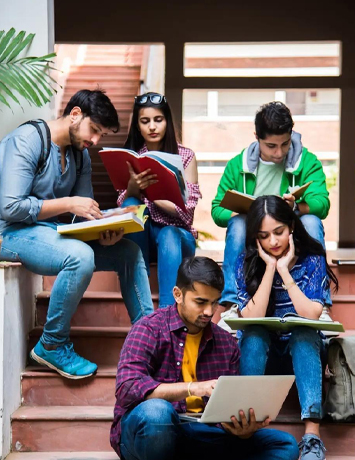
Ten postgraduate departments of our College are approved research centres. Research programmes leading to Ph.D. are offered at the research centres of the departments. Candidates for Ph.D. will be accepted by the research supervisors in consultation with their HoD and the Principal as per the rules and regulations of Mahatma Gandhi University, Kottayam. The research departments are Hindi, English, Malayalam, Politics, Chemistry, Mathematics, Statistics, Commerce, Physics and Botany.
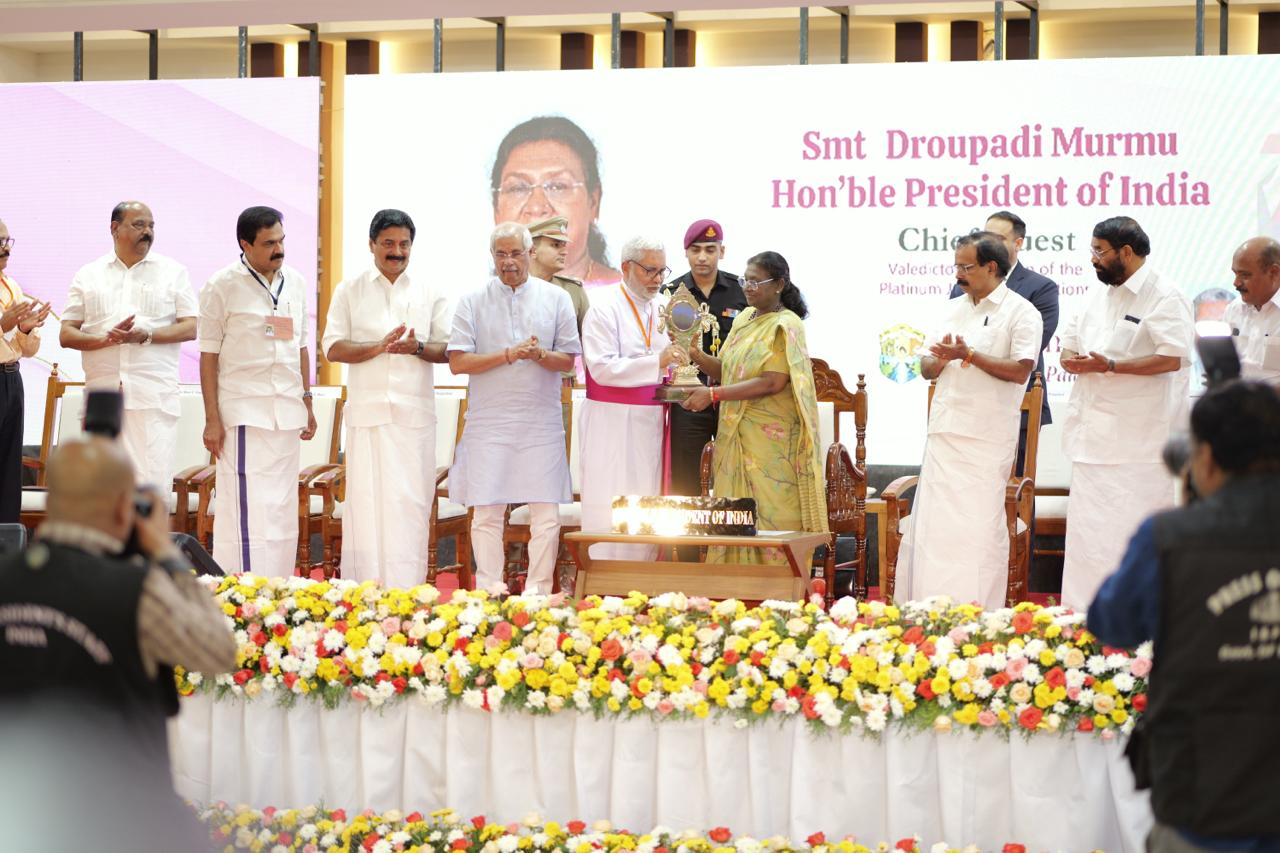
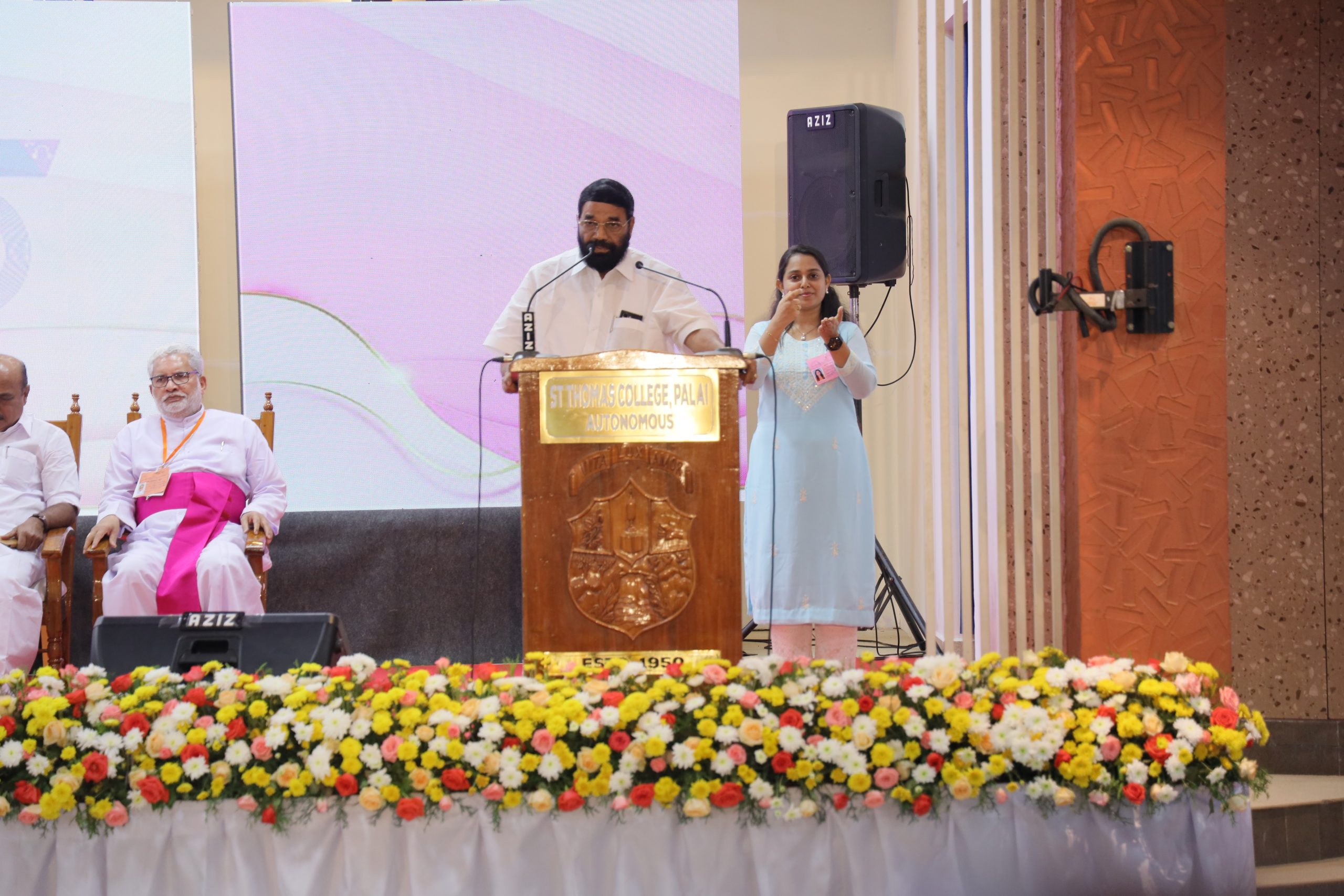
Platinum Jubilee Celebrations





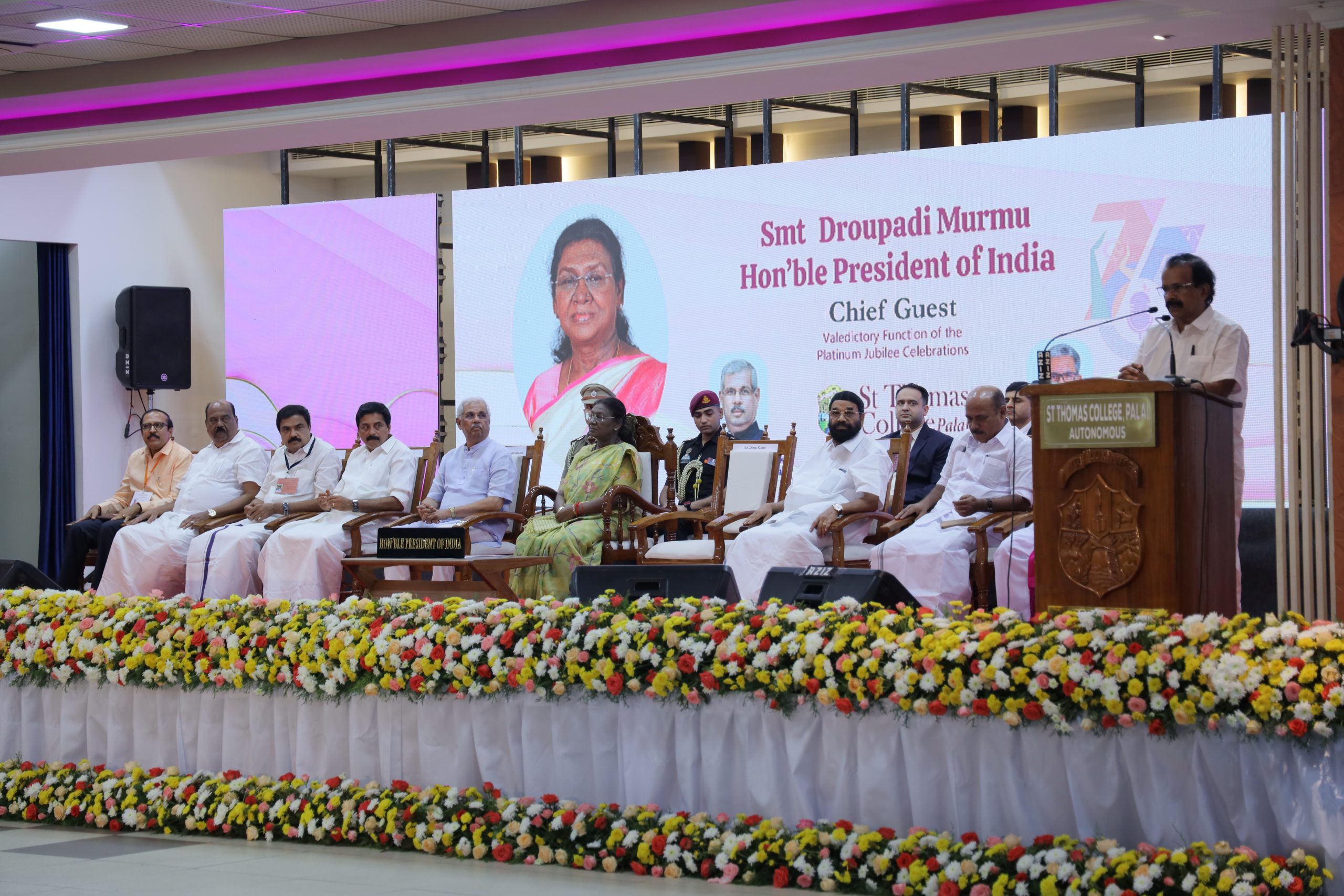

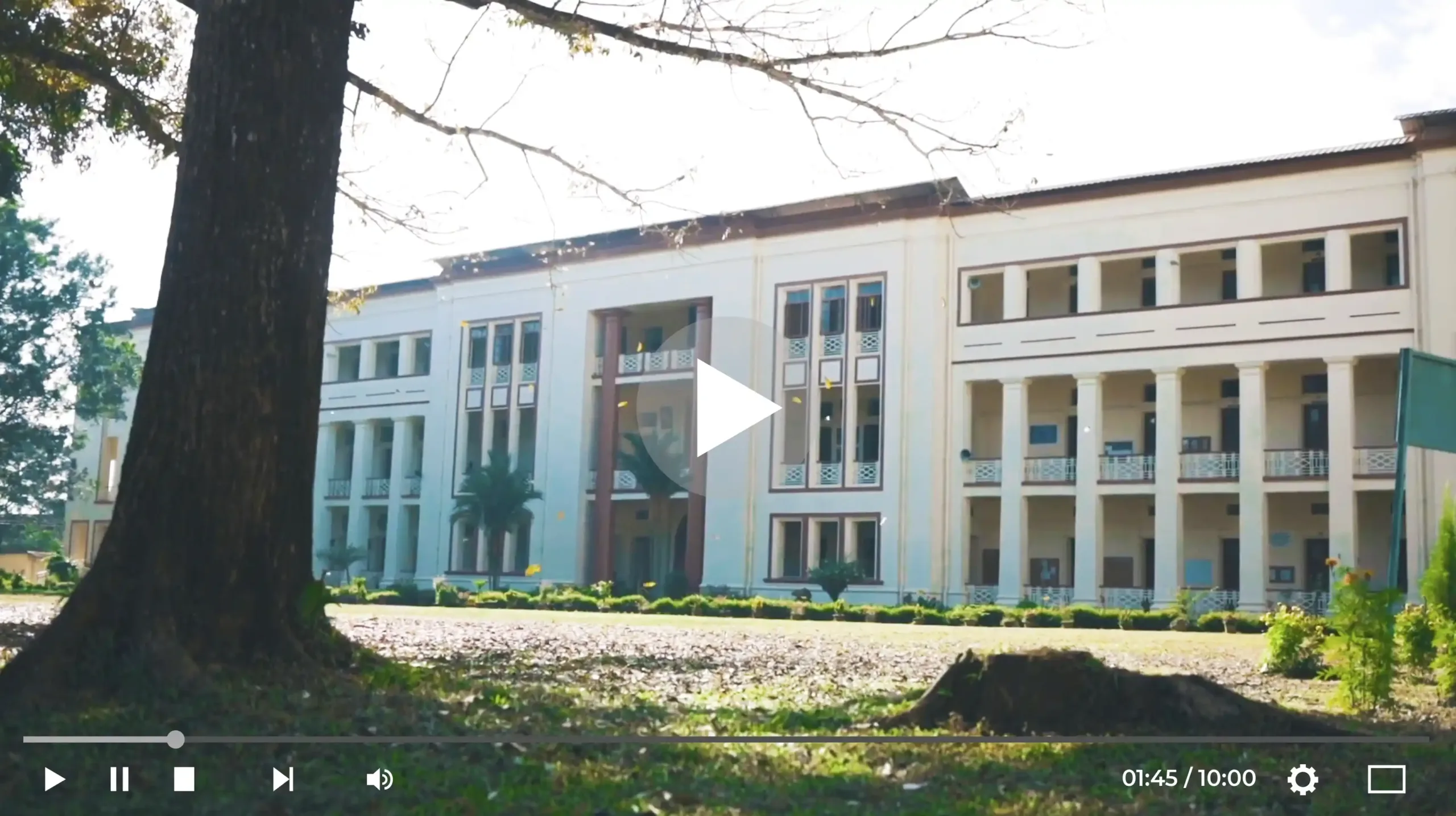
View – Share – Comment – Inspire
St. Thomas College Stories
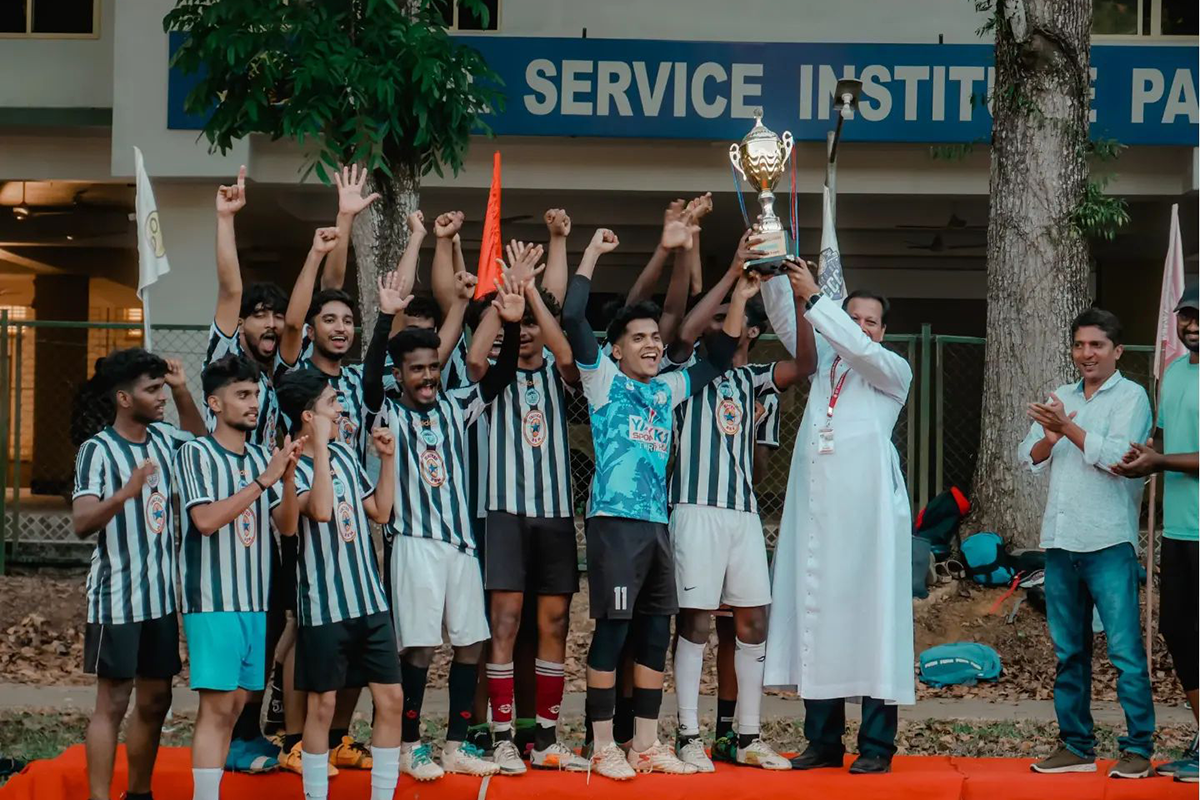


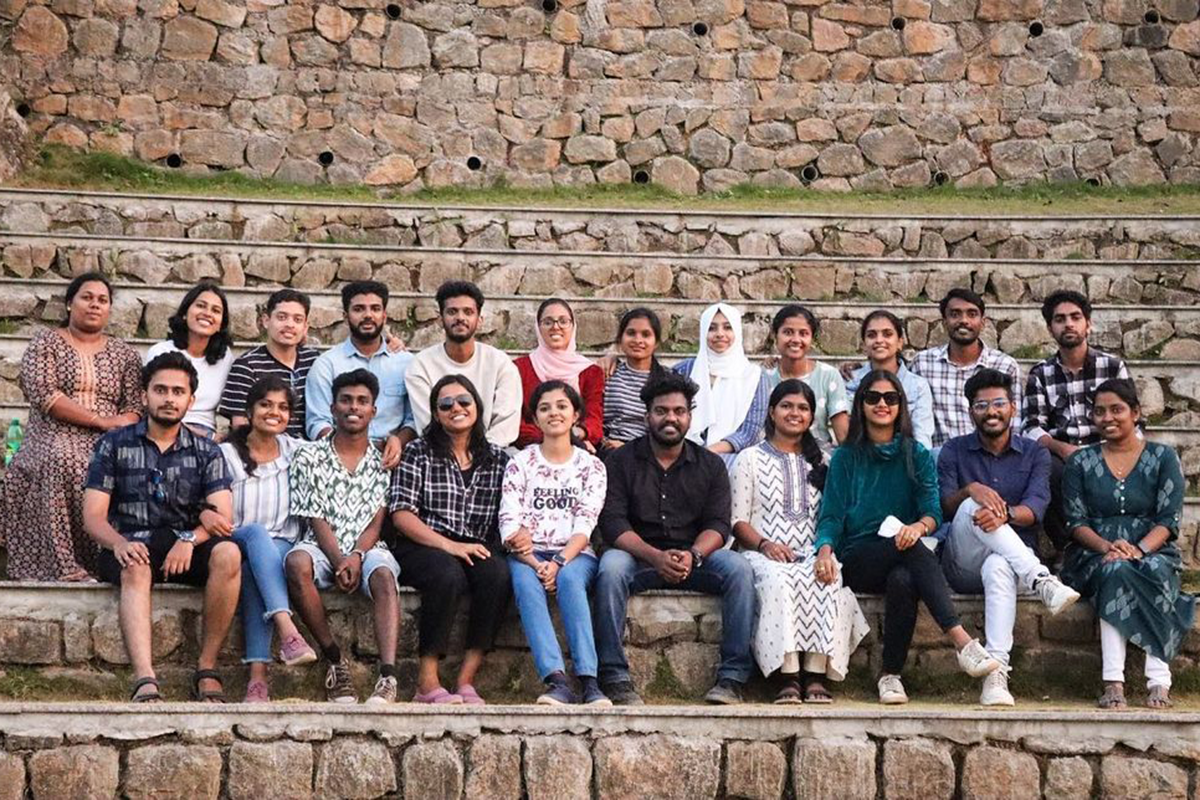
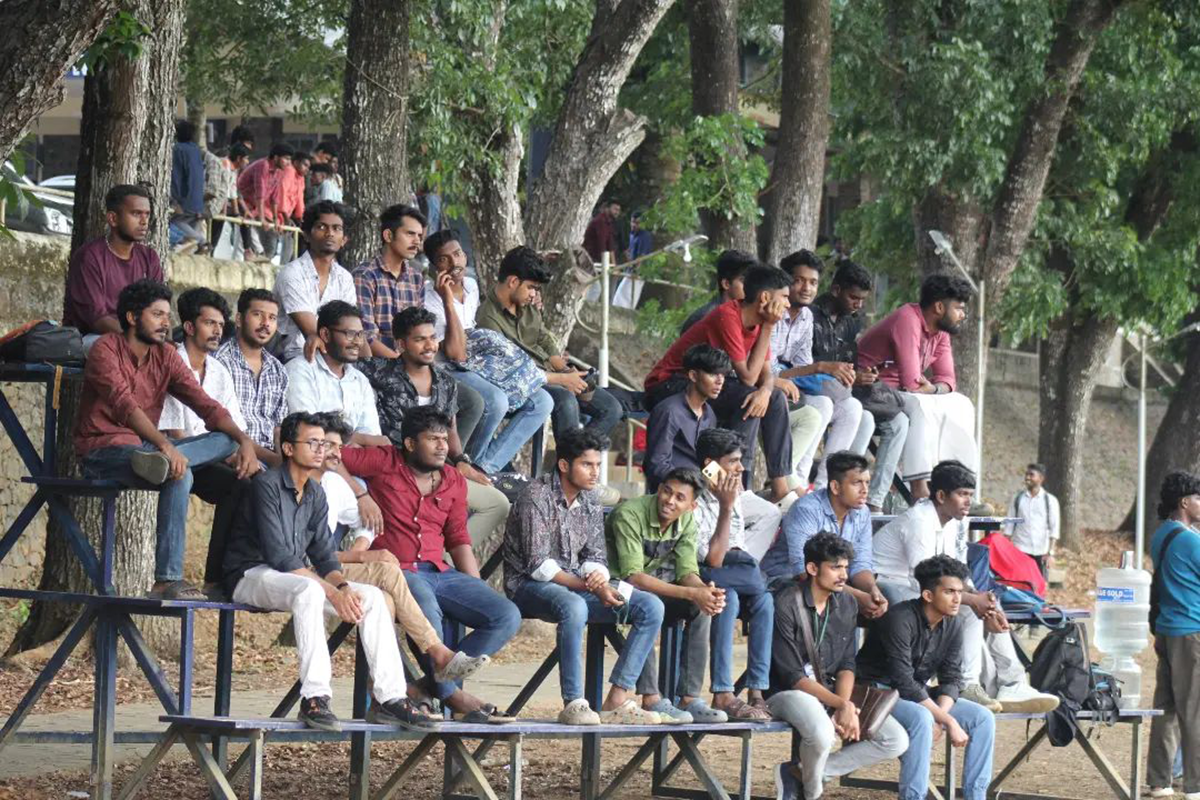
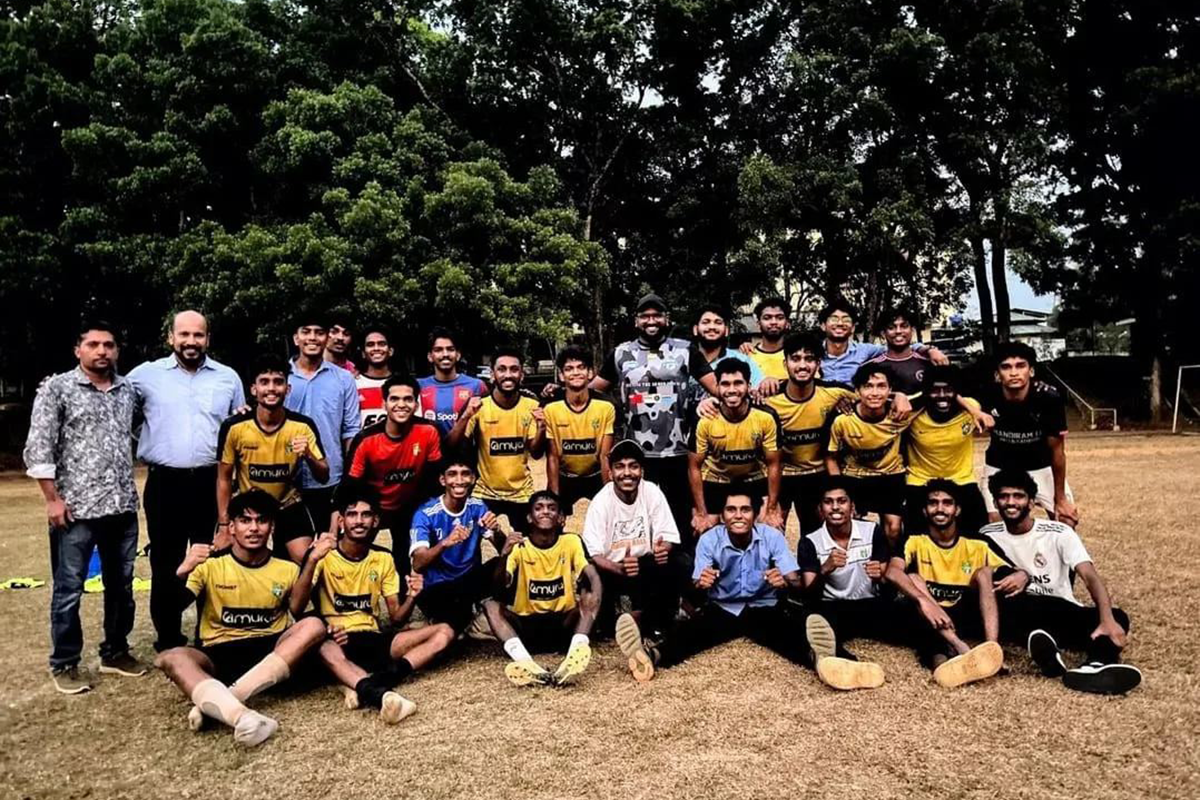
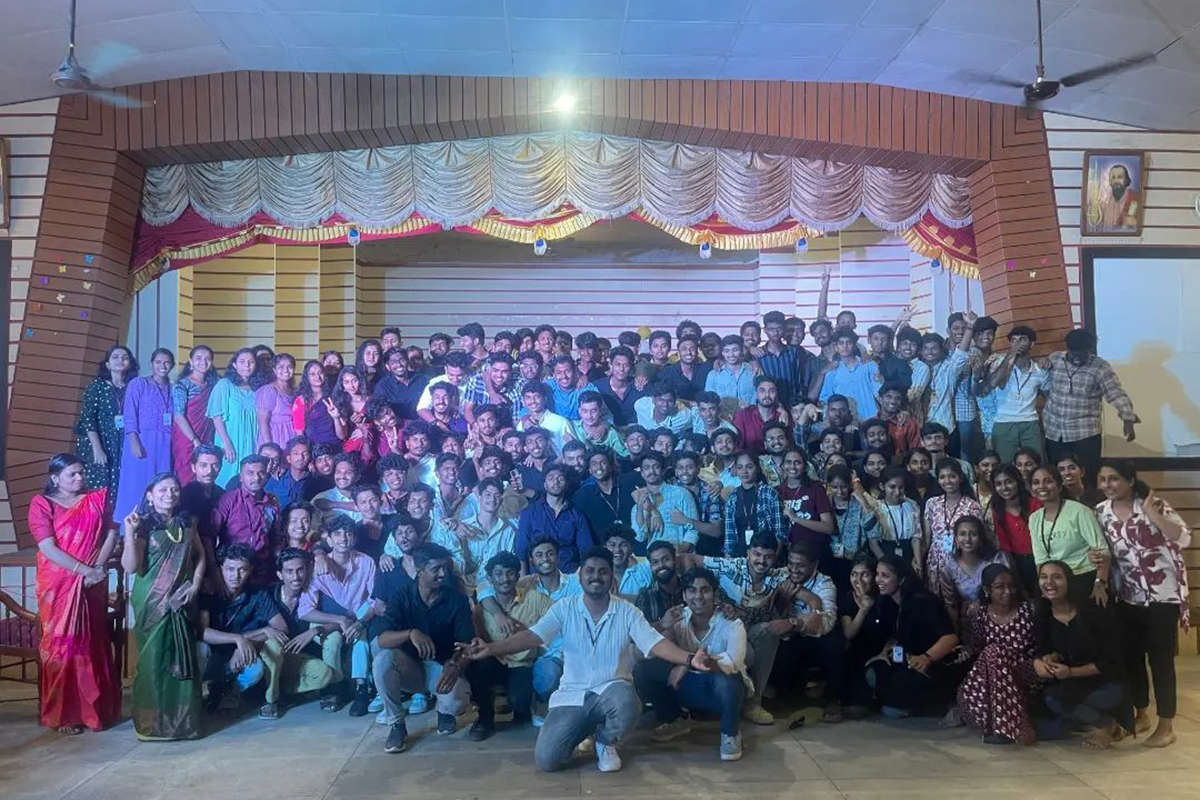

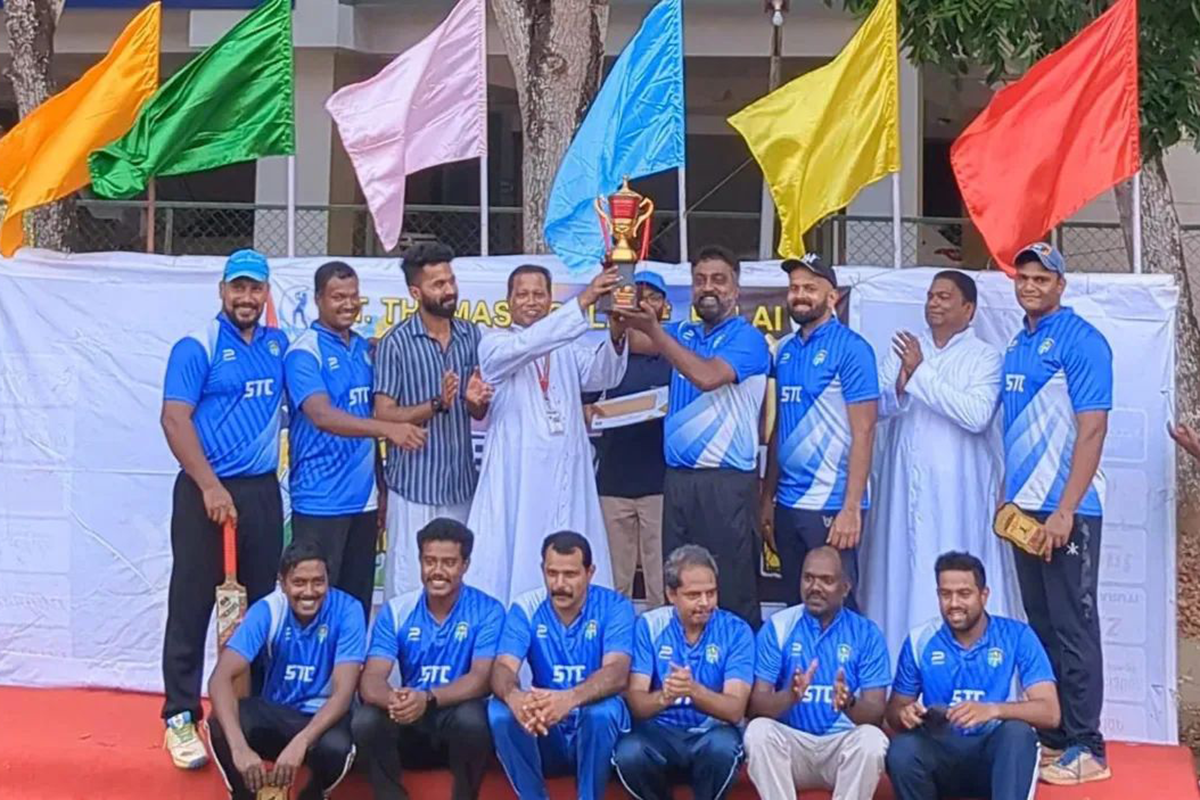
Encounter – Instruct – Evolve – Attain
Centre for Human Resource Development (CHRD)


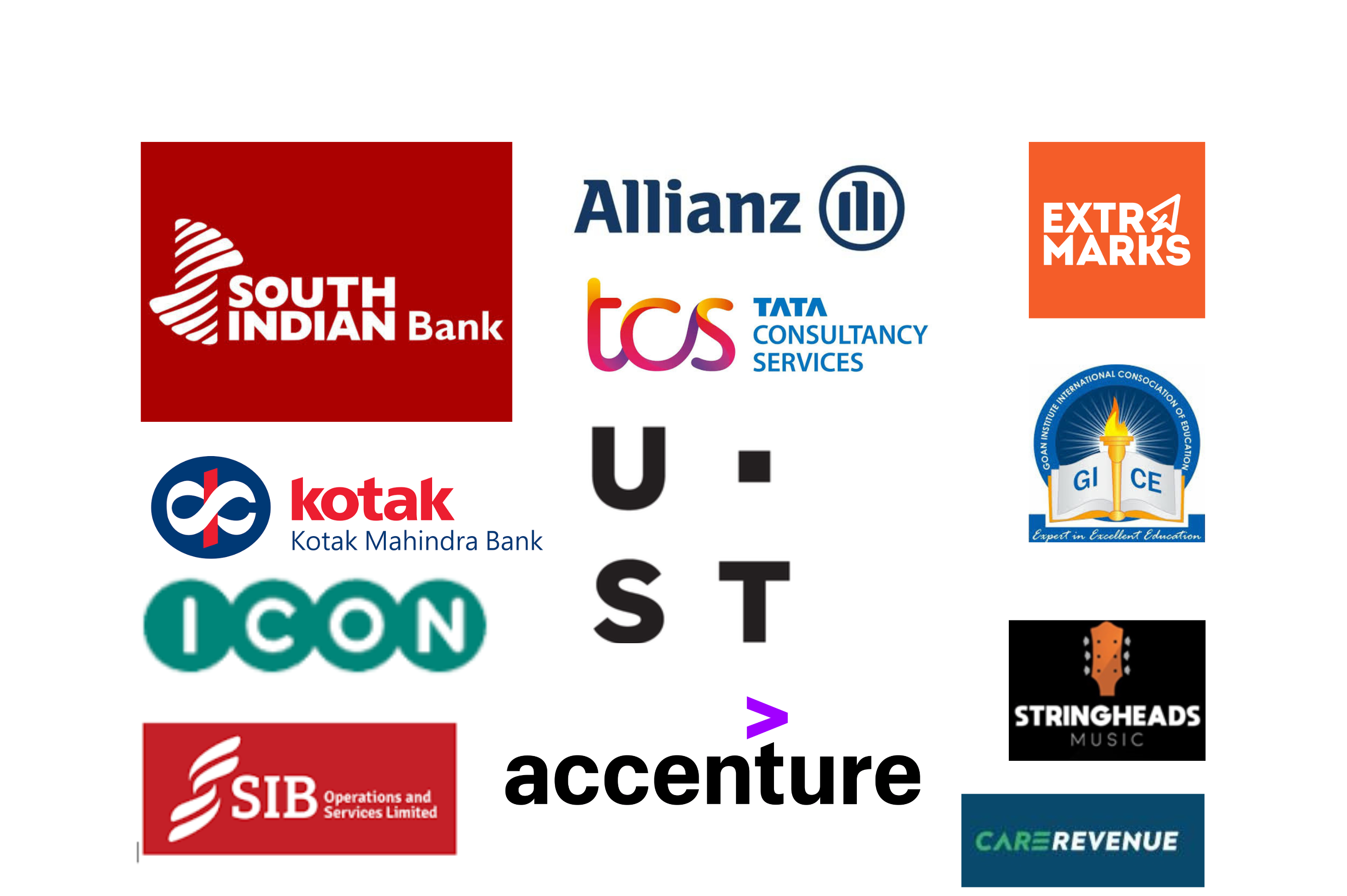
The Centre for Human Resource Development (CHRD), formerly known as Career and Placement Cell, was established to encourage, guide counsel and train the students of the …
Prepare – Learn – Apply – Succeed
Launching Successful Careers
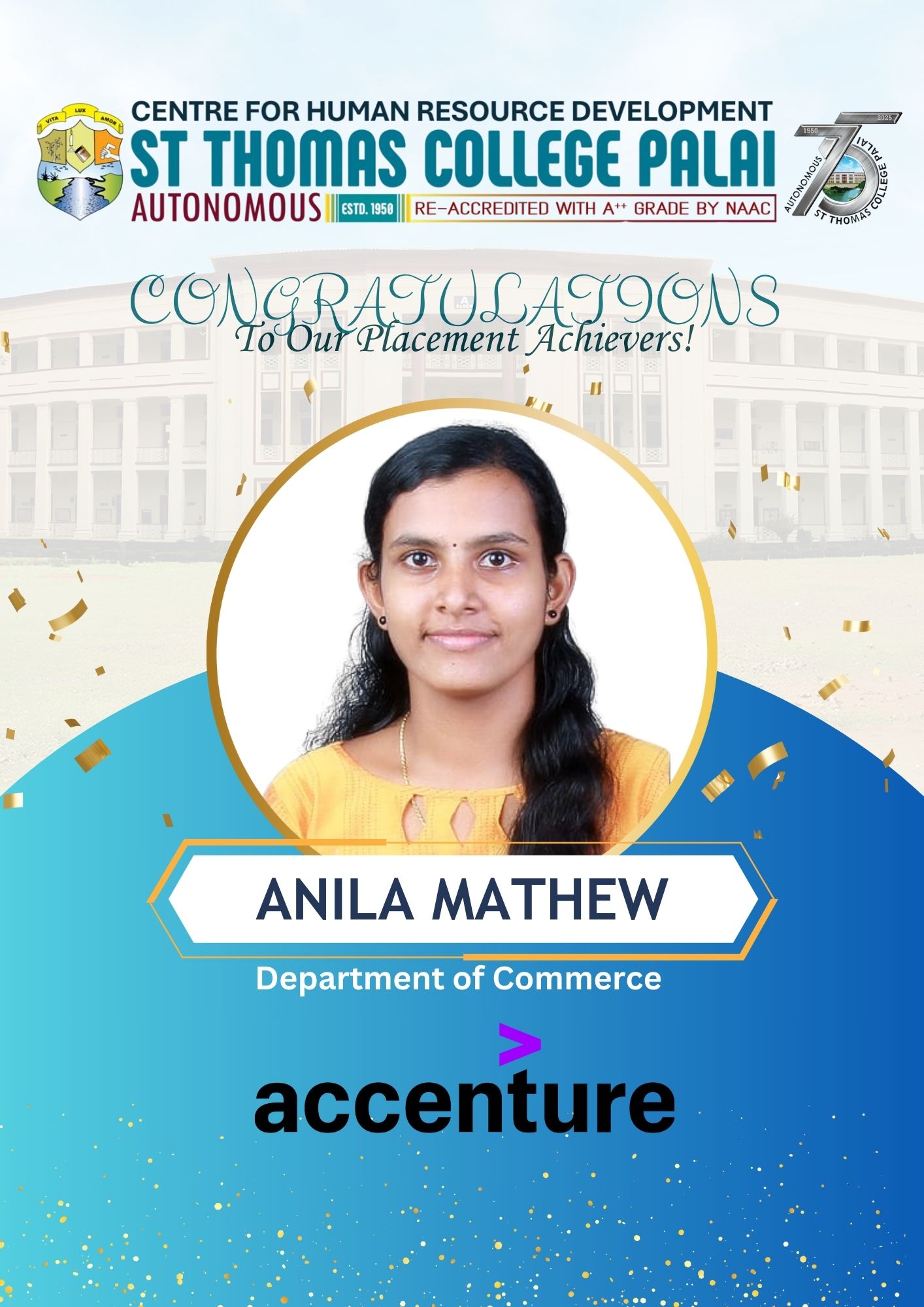
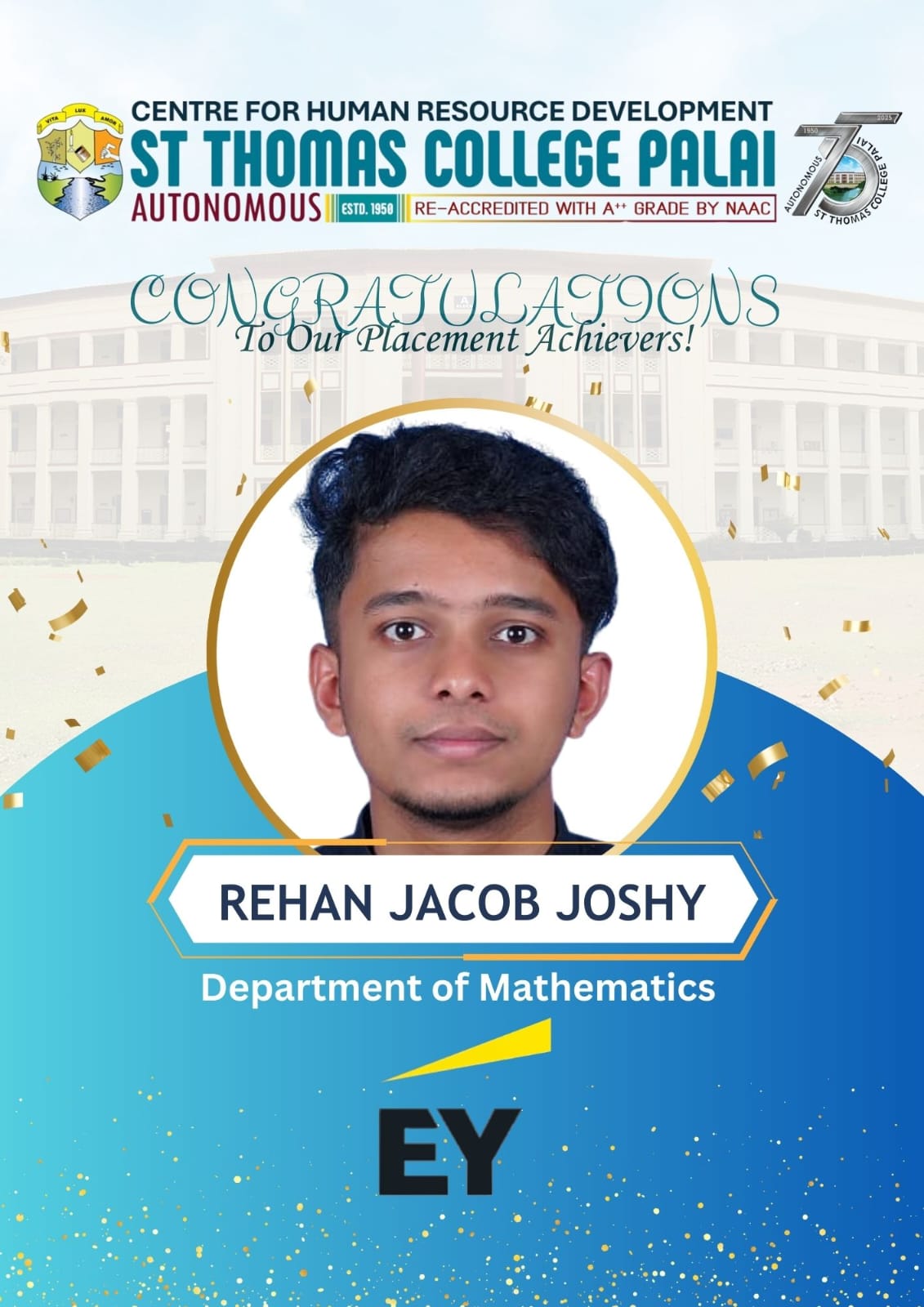
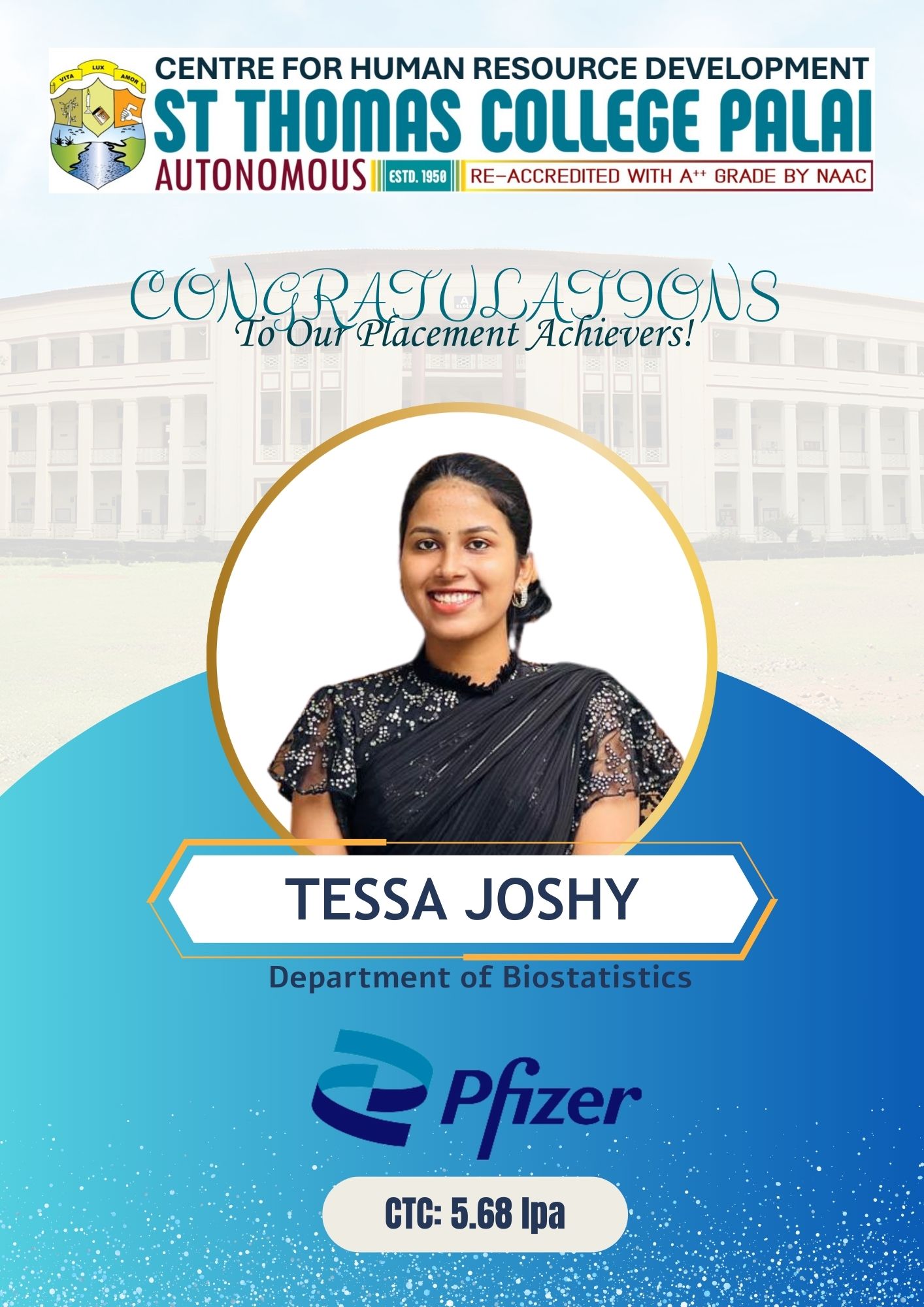
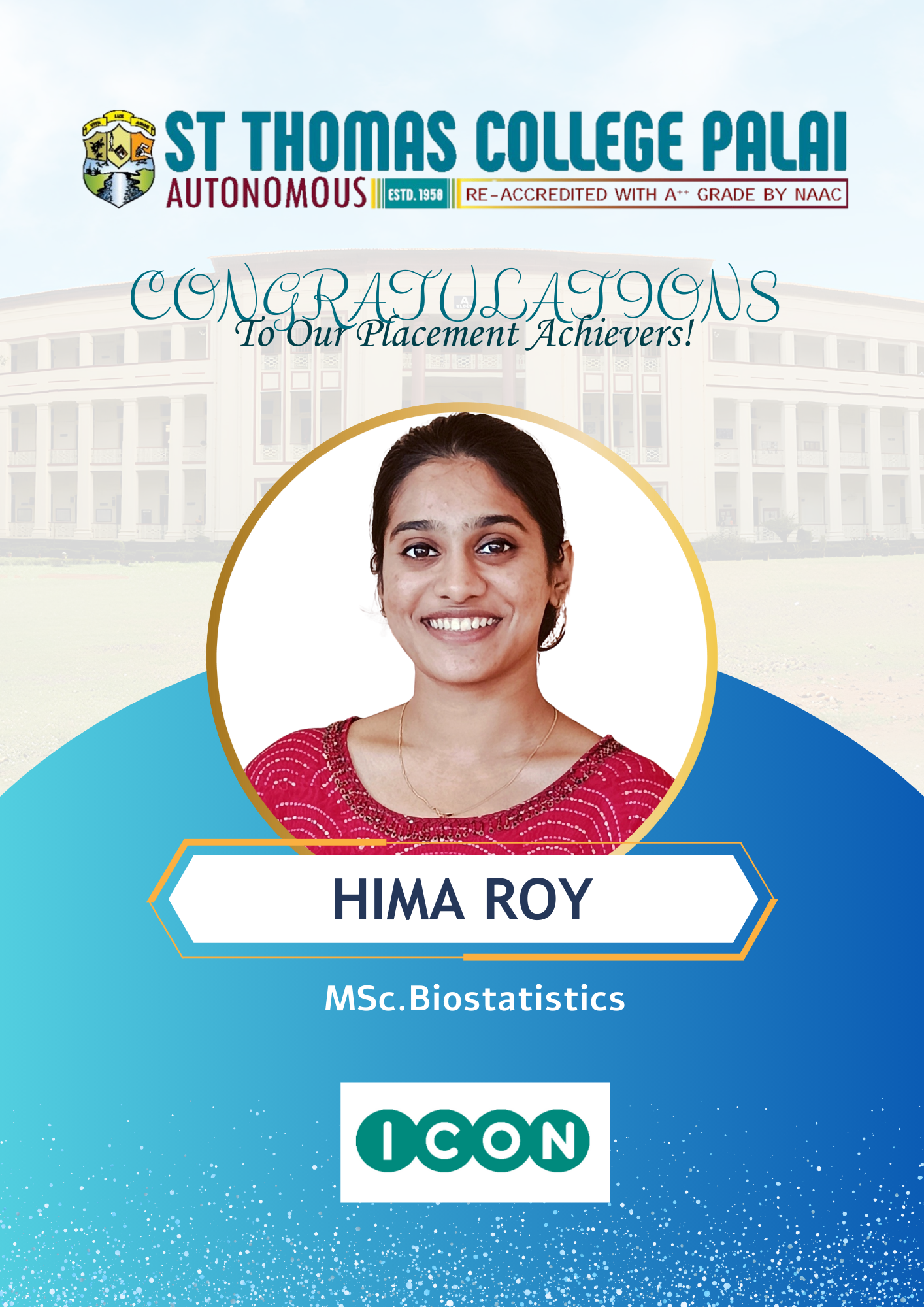
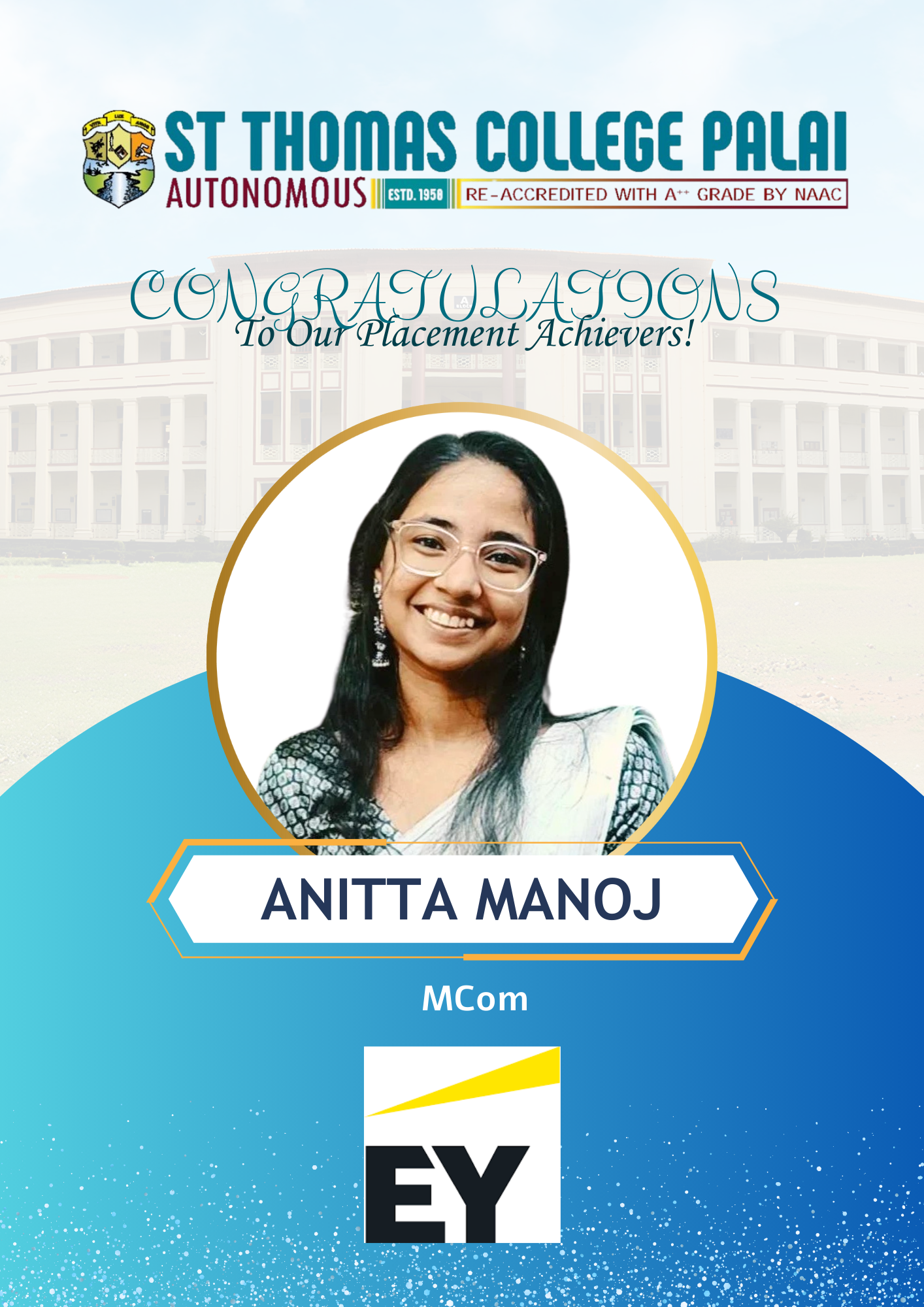
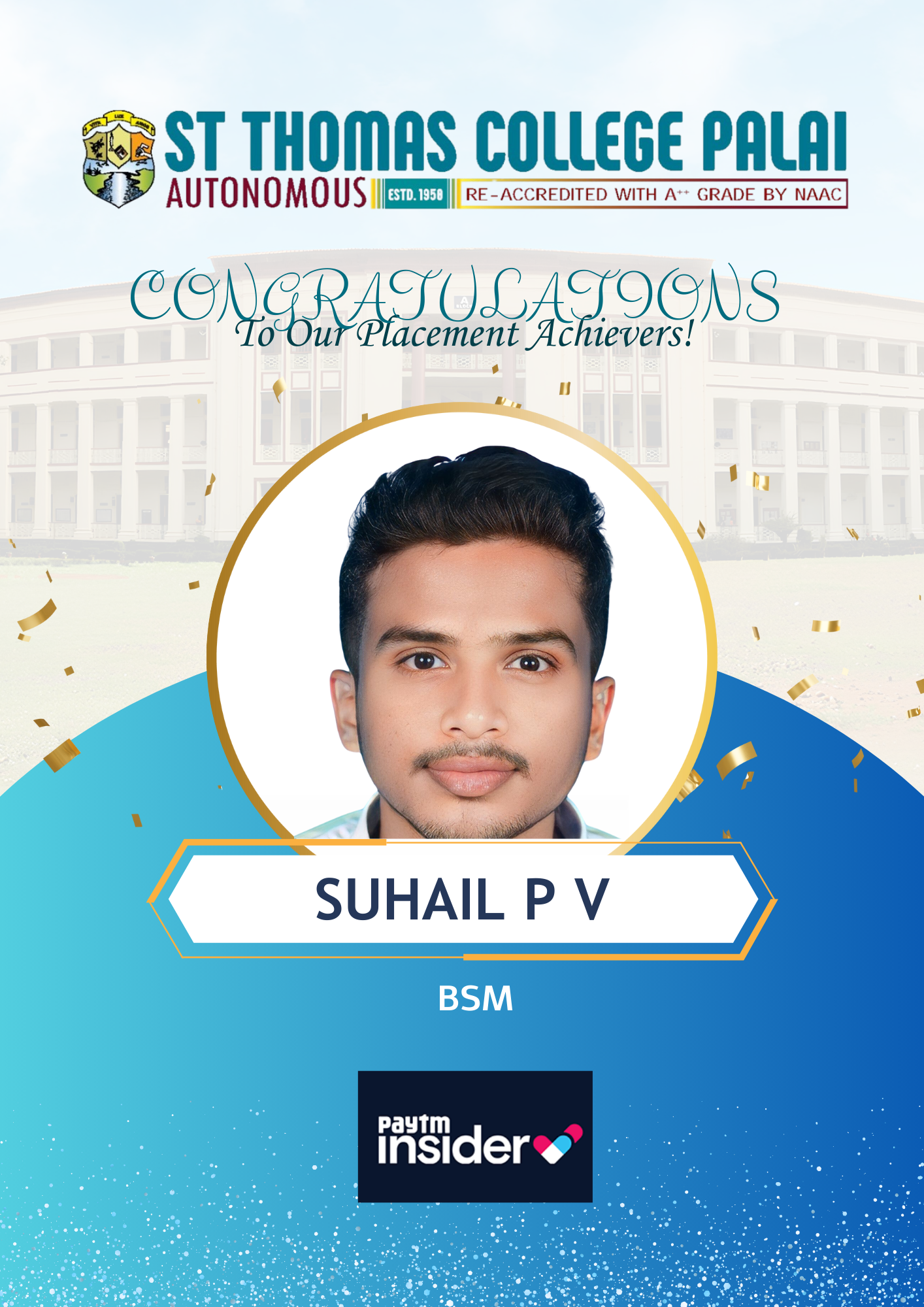
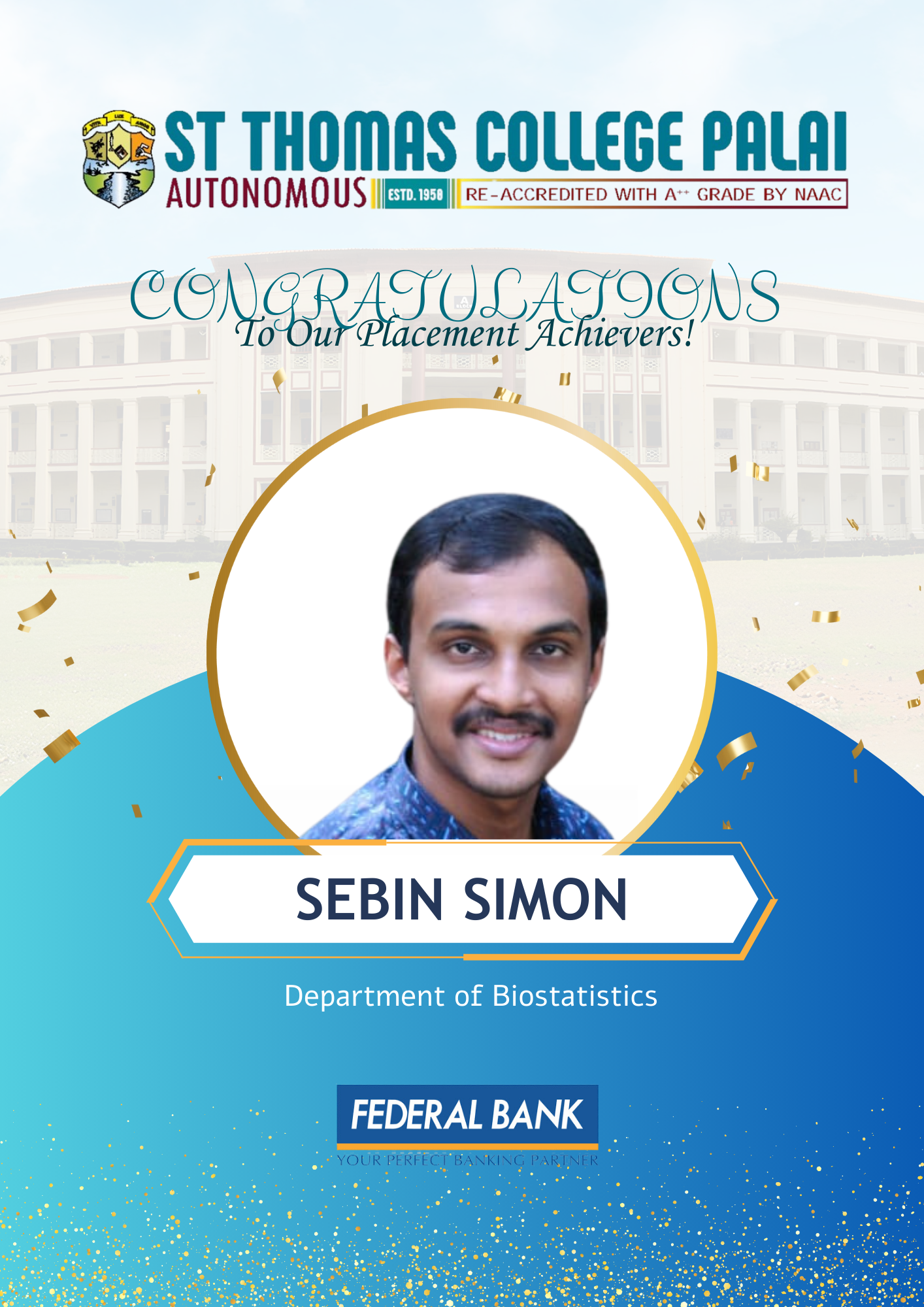
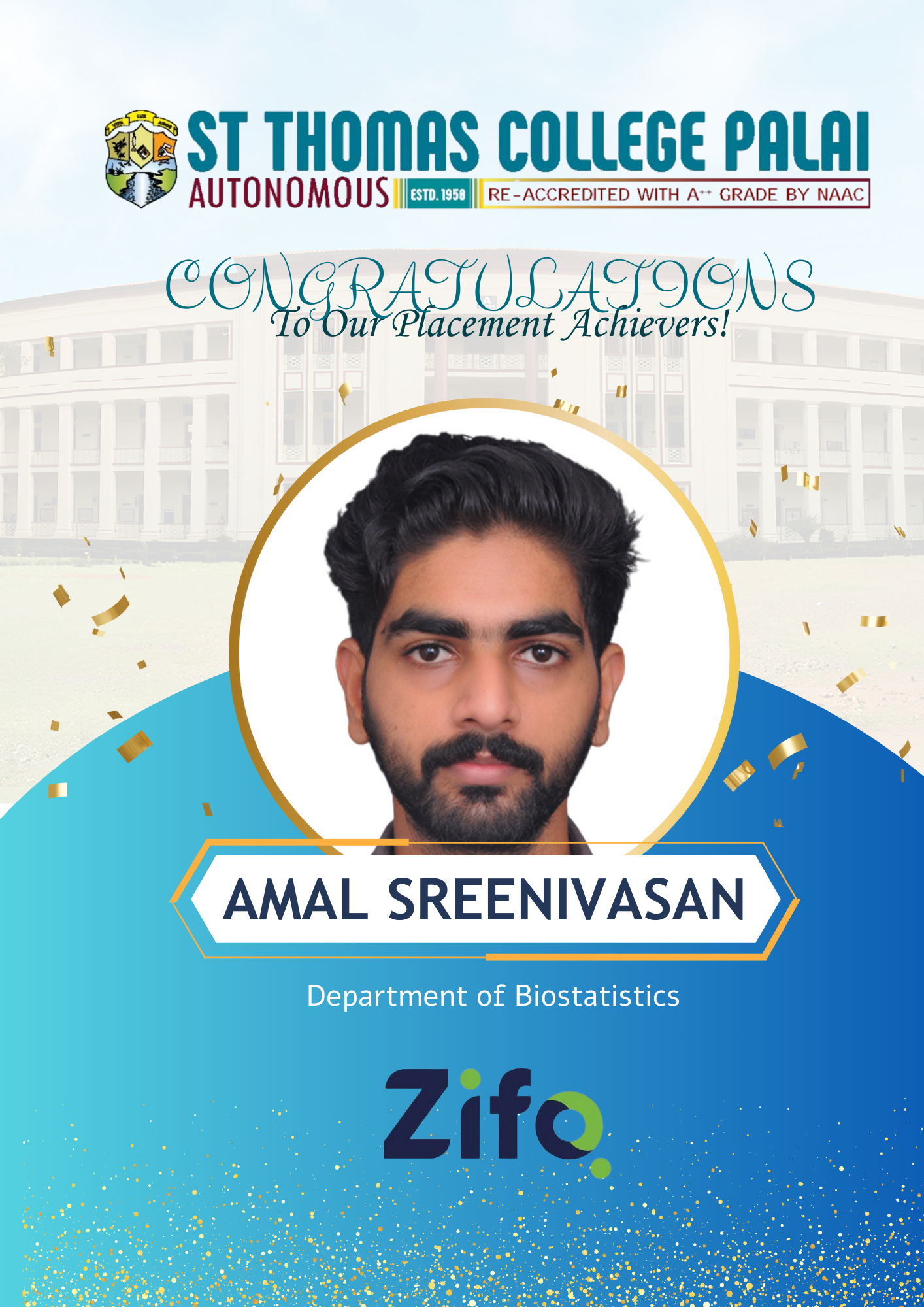
Encounter – Instruct – Evolve – Attain
Centre for Human Resource Development (CHRD)
The Centre for Human Resource Development (CHRD), formerly known as Career and Placement Cell, was established to encourage, guide counsel and train the students of the College to become competent professionals and leaders to serve the nation most efficiently and effectively with the highest level of commitment, honesty, loyalty and integrity.
Experience – Educate – Develop – Achieve
Success Stories from Diverse Paths
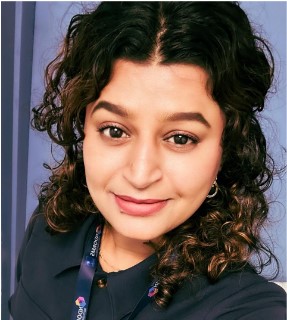

St. Thomas College provided an exceptional foundation during my MSc Biotechnology. The faculty were not only highly knowledgeable but also incredibly motivating and supportive, always encouraging us to excel. Their guidance has been pivotal in shaping my career, helping me thrive in my role as a Clinical Data Associate at Oxford University Clinical Research Unit.
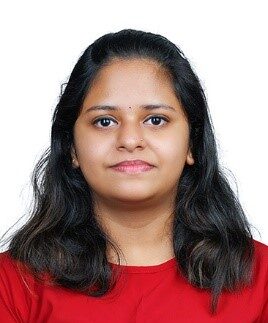
St. Thomas College, Palai, holds a special place in my academic journey, and the Department of Biotechnology, where I completed my Master’s in Biotechnology (2022-2024), was truly transformative. The college’s vibrant campus and a legacy of academic excellence provided an ideal environment for learning and growth. The Department of Biotechnology, in particular, stood out for its world-class curriculum, dedicated faculty, and cutting-edge research opportunities.
Overall, my time at St. Thomas College, Palai, and the Department of Biotechnology was enriching and empowering. It not only equipped me with a strong foundation in Biotechnology but also prepared me with confidence and enthusiasm for the challenges of the future. I am deeply grateful for the opportunities and experiences that shaped me during this incredible journey.
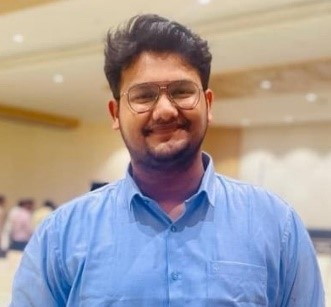
Assistant Manager – Employee Experience and Employer Branding, Zetwerk Manufacturing Businesses Ltd, Bengaluru
My 3 years at St Thomas College has truly been a transformative journey, giving shape and direction to my further studies and career. The faculty has not been just a guiding light in academic development but also been a beacon for my personal and professional growth.
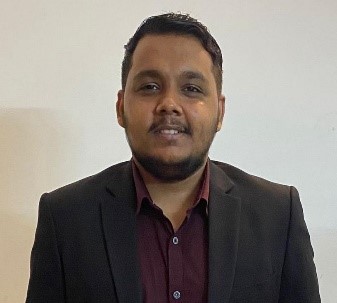
I had a fantastic experience at St. Thomas college where I completed my B. Com (CA) degree from 2014 to 2017. The college’s excellent faculty, exceptional facilities, and nurturing environment helped me grow academically and personally. I appreciated the opportunities to engage in extracurricular activities, develop practical skills, and form lasting bonds with peers and professors. St. Thomas college provided a solid foundation for my future, and I wholeheartedly recommend it to anyone seeking a well-rounded education.
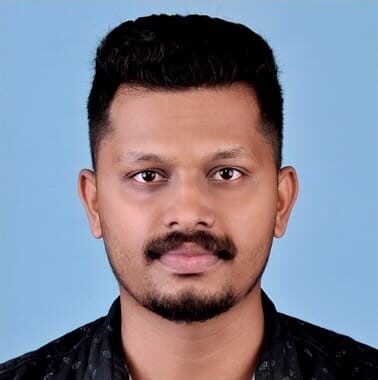
Currently working as News Editor, Akashvani, New Delhi
St. Thomas College was instrumental in shaping my academic and professional path. The supportive faculty and vibrant campus equipped me with the knowledge and skills essential for my career. I am proud to be an alumnus and grateful for the experiences that helped shape my journey into the field of media and communication.
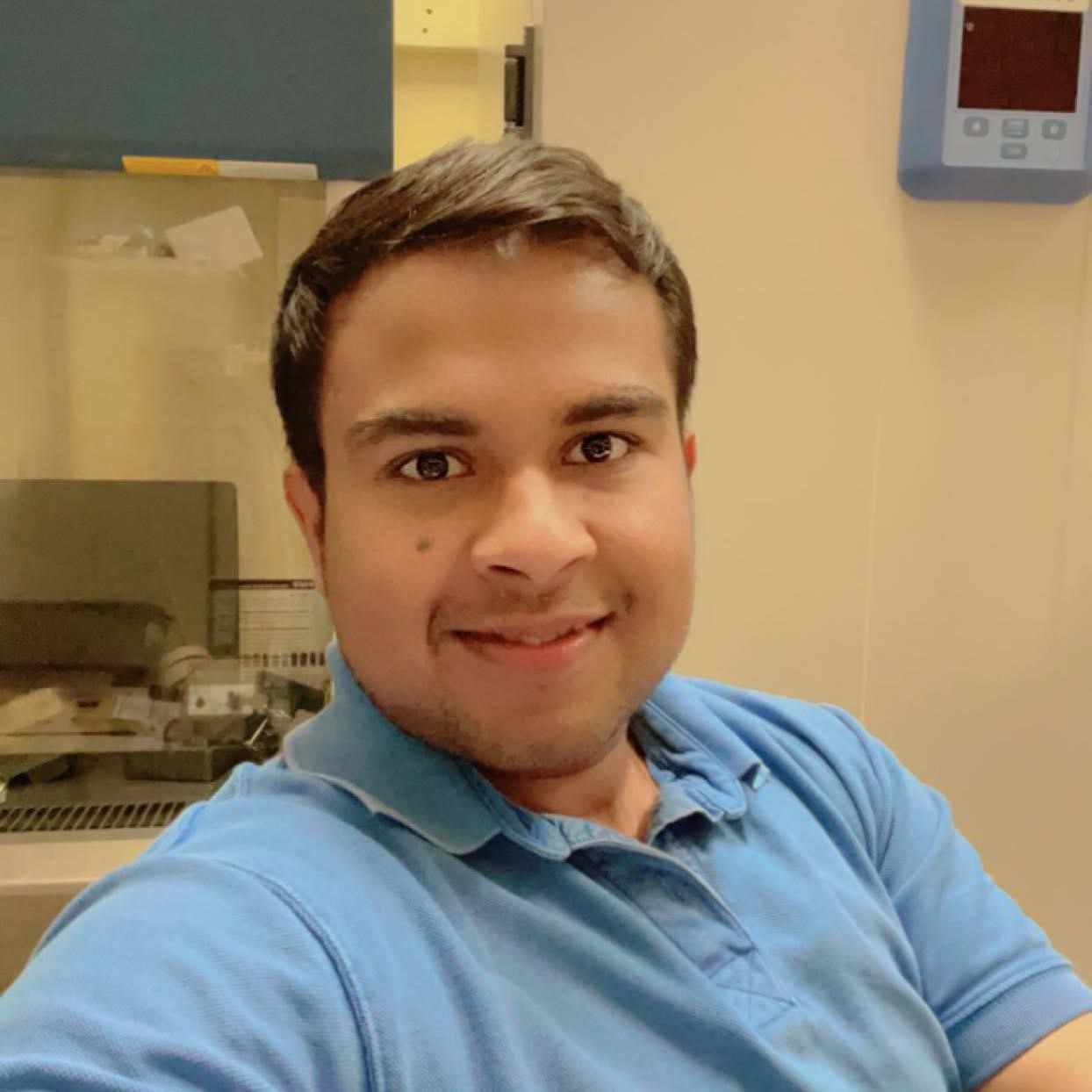
I am Dr. Midhun Sebastian Jose, a Postdoctoral fellow in “antimicrobial resistance and treatment strategies in Apiculture”, at the University of Saskatchewan, Canada. I started my academic journey studying a Bachelor of Science in Zoology from St. Thomas College, Pala.
My time at St. Thomas College, Pala, was pivotal in shaping both my academic and research career. The college offered a robust curriculum that not only broadened my knowledge but also deepened my understanding through active research extension activities. This comprehensive education fostered significant personal growth and intellectual development. I hold dear the lasting connections I built with both professors and peers, which enriched my experience and contributed greatly to my journey. Reflecting on my time at St. Thomas College, I am profoundly grateful for the transformative impact it had on my life
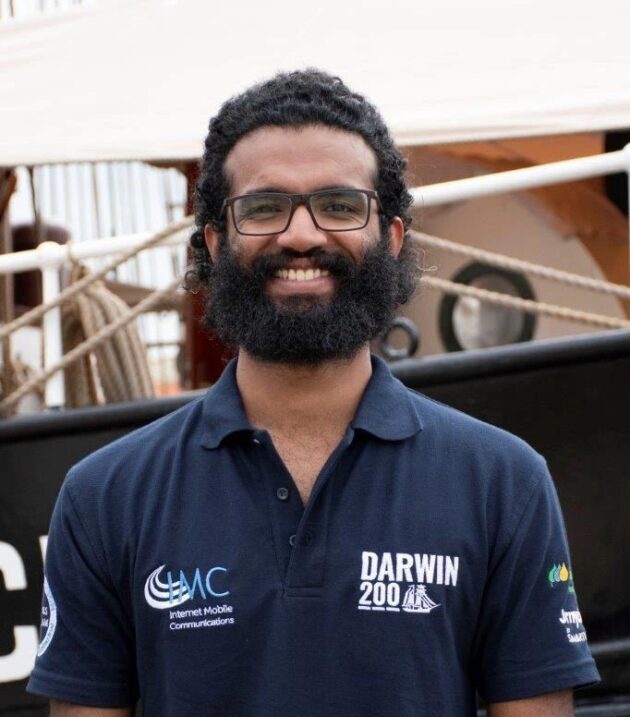
I am Joseph Roy, a PhD researcher in Eco-Psychology studying the effect of bird sounds on human emotions, at the University of Bangor, UK. I started my academic journey studying a Bachelor of Science in Zoology from St. Thomas College, Pala. My time at St. Thomas College, Pala, was instrumental in shaping my research career. The comprehensive academic curriculum, coupled with active involvement in extracurricular activities, provided me with a well-rounded education and personal growth. My participation in the National Cadet Corps instilled in me a disciplined lifestyle that continues to guide me today. Later, I pursued a Master of Science in Zoology from the University of Kerala, and a Master of Research in Ecology from the University of Glasgow, UK. Additionally, I am honoured to be a Darwin Leader representing India in the Darwin 200 programme, retracing the journey of HMS Beagle and Charles Darwin. Where ever I go I always keep St Thomas in my heart.
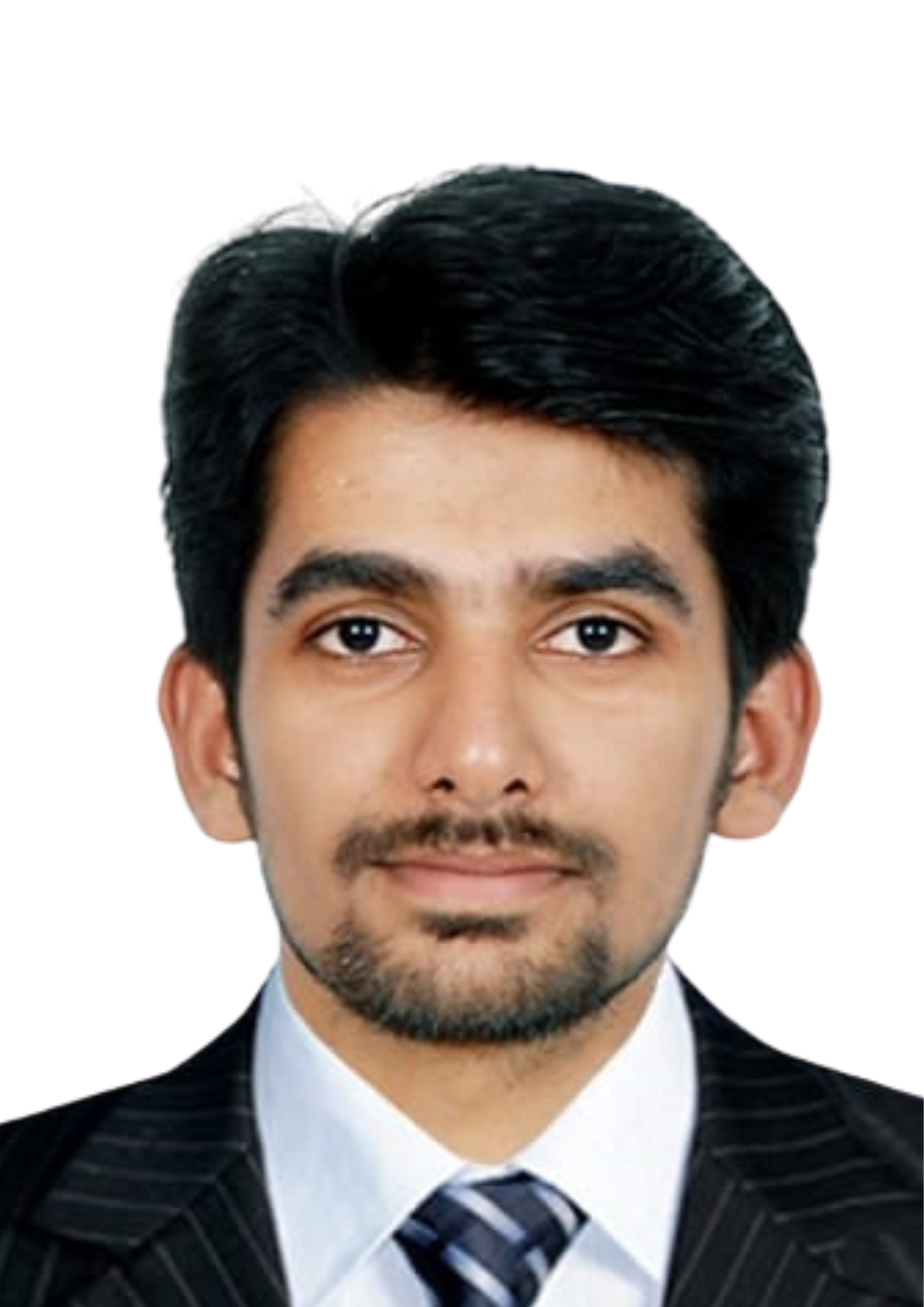
My experience in the Department of Biostatistics at St. Thomas College, Pala, was both enriching and practical. The program offered strong industrial exposure and hands-on training, helping me apply biostatistics to real-world challenges. The faculty’s expertise and the collaborative peer learning environment fostered a deeper understanding of the subject. Additionally, the placement assistance provided valuable support in launching my career. Overall, it was a well-rounded academic experience that has significantly contributed to my professional growth.
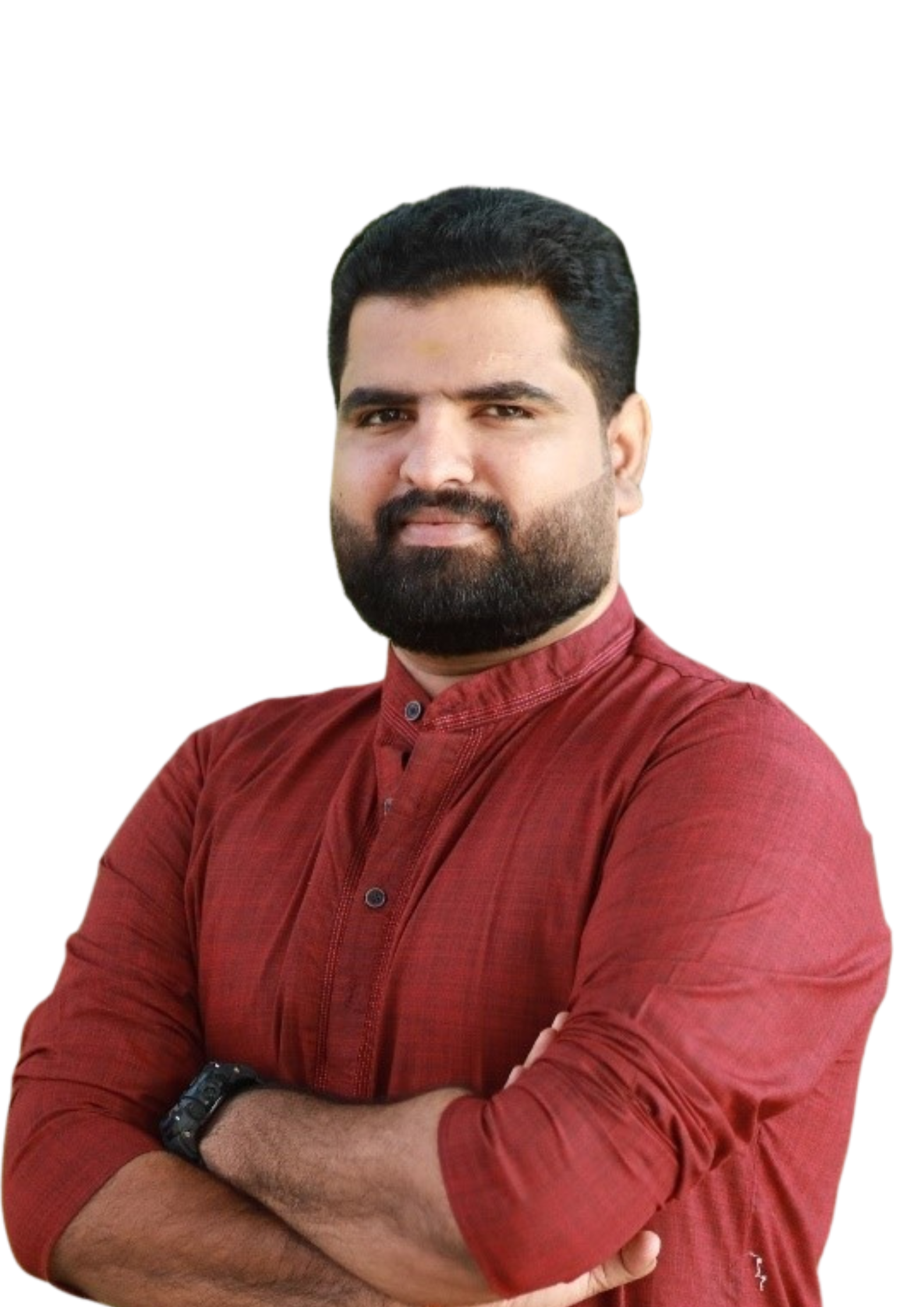
I had an incredible experience at St. Thomas college. The faculty were supportive and knowledgeable, and the resources available helped me reach my full potential. The M.Sc biostatistics program which I was part of challenged me to think critically and creatively, prepared me for a successful career. I’m grateful for the opportunities I had here and would highly recommend my college to anyone looking for a well-rounded education which will pave the way for wonderful different careers.
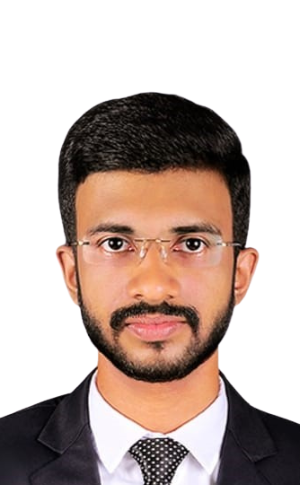
As a BCA graduate from the 2015-18 batch at St. Thomas College, Pala, I am grateful for the strong foundation and valuable experiences the college provided. The supportive faculty and practical learning approach prepared me well for my current role as a Business Analyst and continue to guide me in my professional journey.
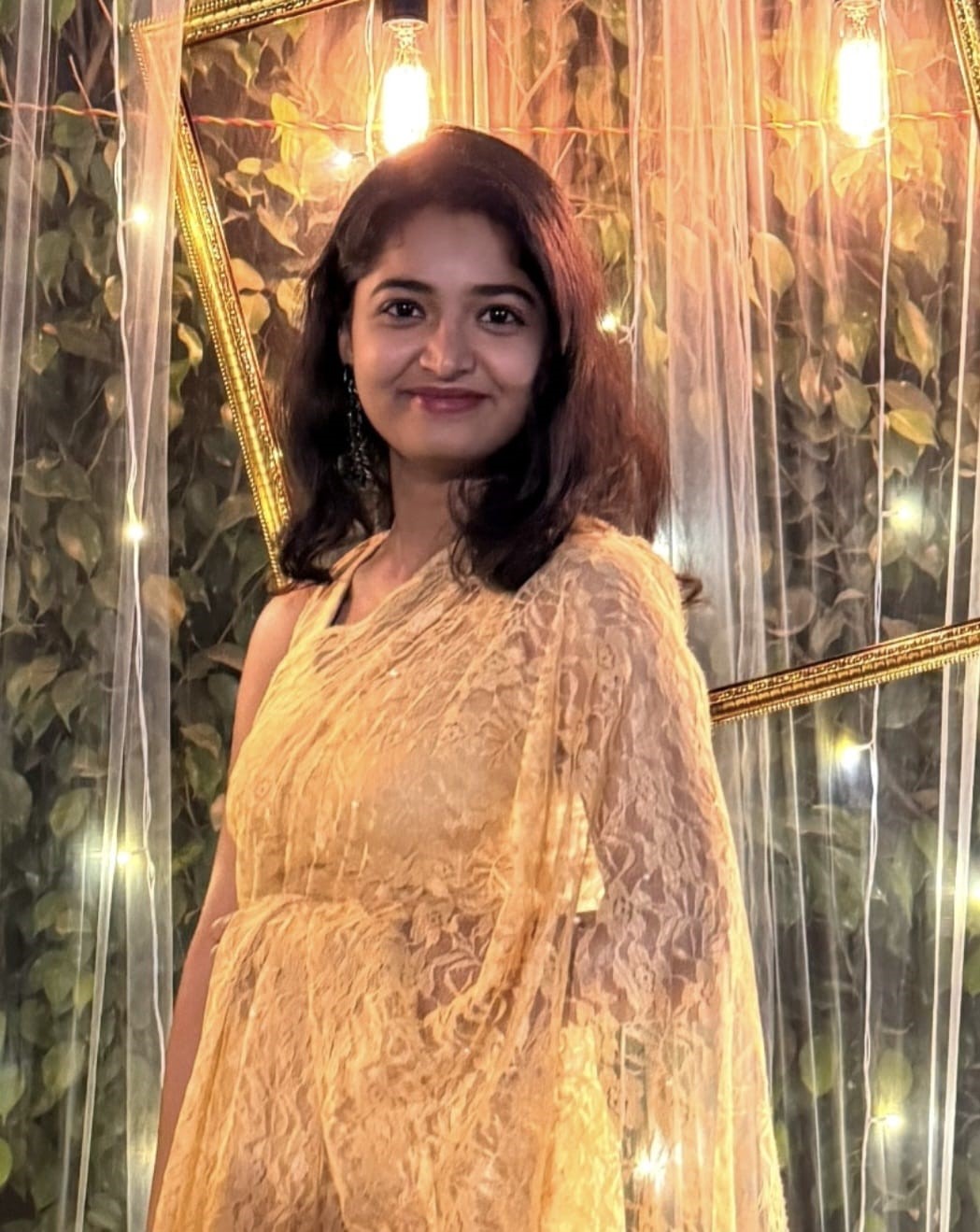
St. Thomas College Pala played a pivotal role in my journey from completing my BCA to landing a position at Deloitte, and eventually cracking the CAT to enter an IIM. The constant support and inspiration from my teachers laid a strong foundation for my career. Now, as a cybersecurity consultant at Capgemini, I deeply appreciate the impact of their guidance on my professional success.
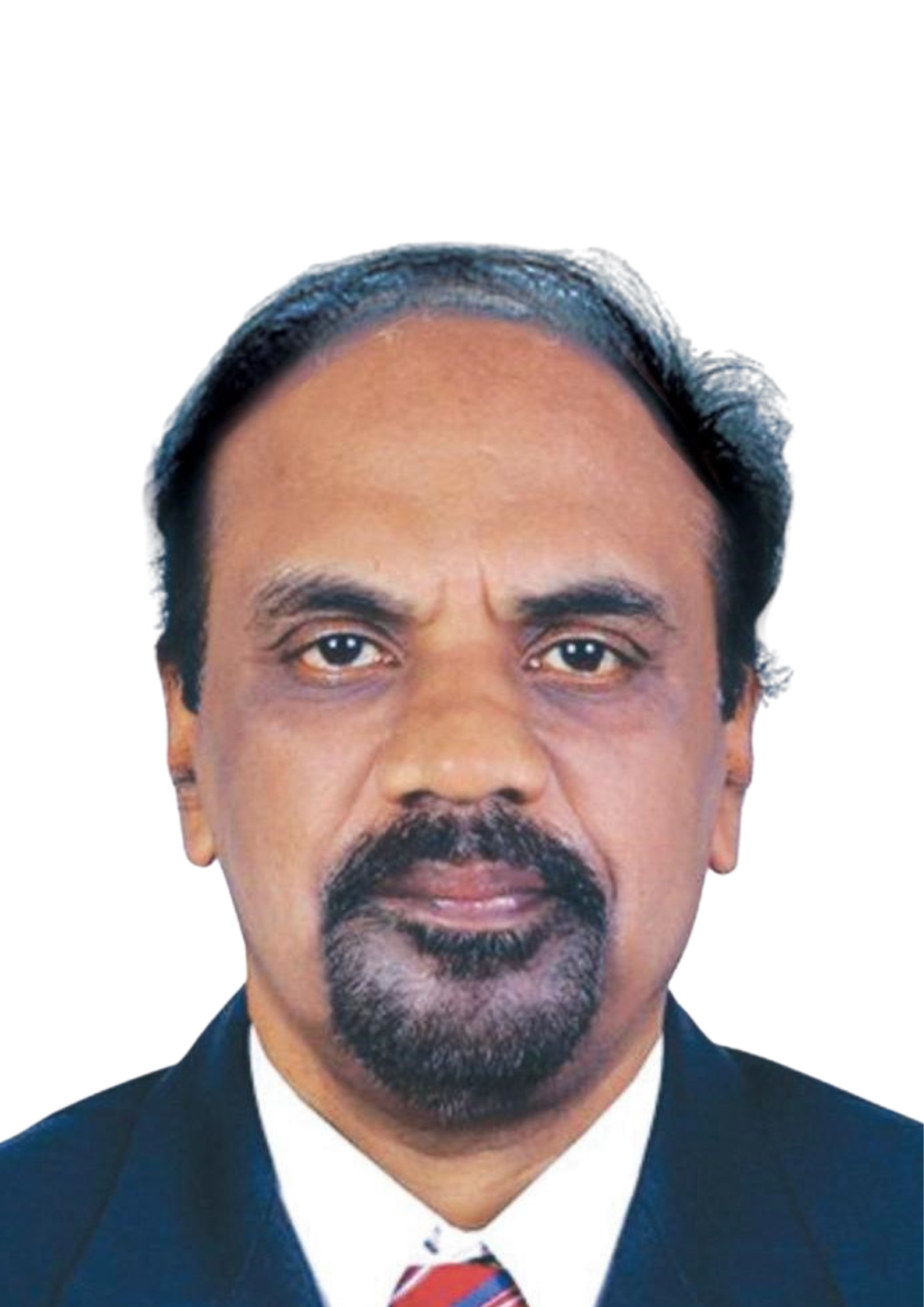
It is with immense joy and gratitude that I recollect my student days at St Thomas College Palai. I was fortunate to study in this great institution from 1976 to 1983. This college nurtured me by entitling me to learn and foster leadership skills. It is heartening to note that the serenity and tranquillity that prevailed on the campus in those days are still present. Like tens of thousands of others, the College played a pivotal role in shaping and building me. On this platinum jubilee year, I wish all the best to my alma mater.
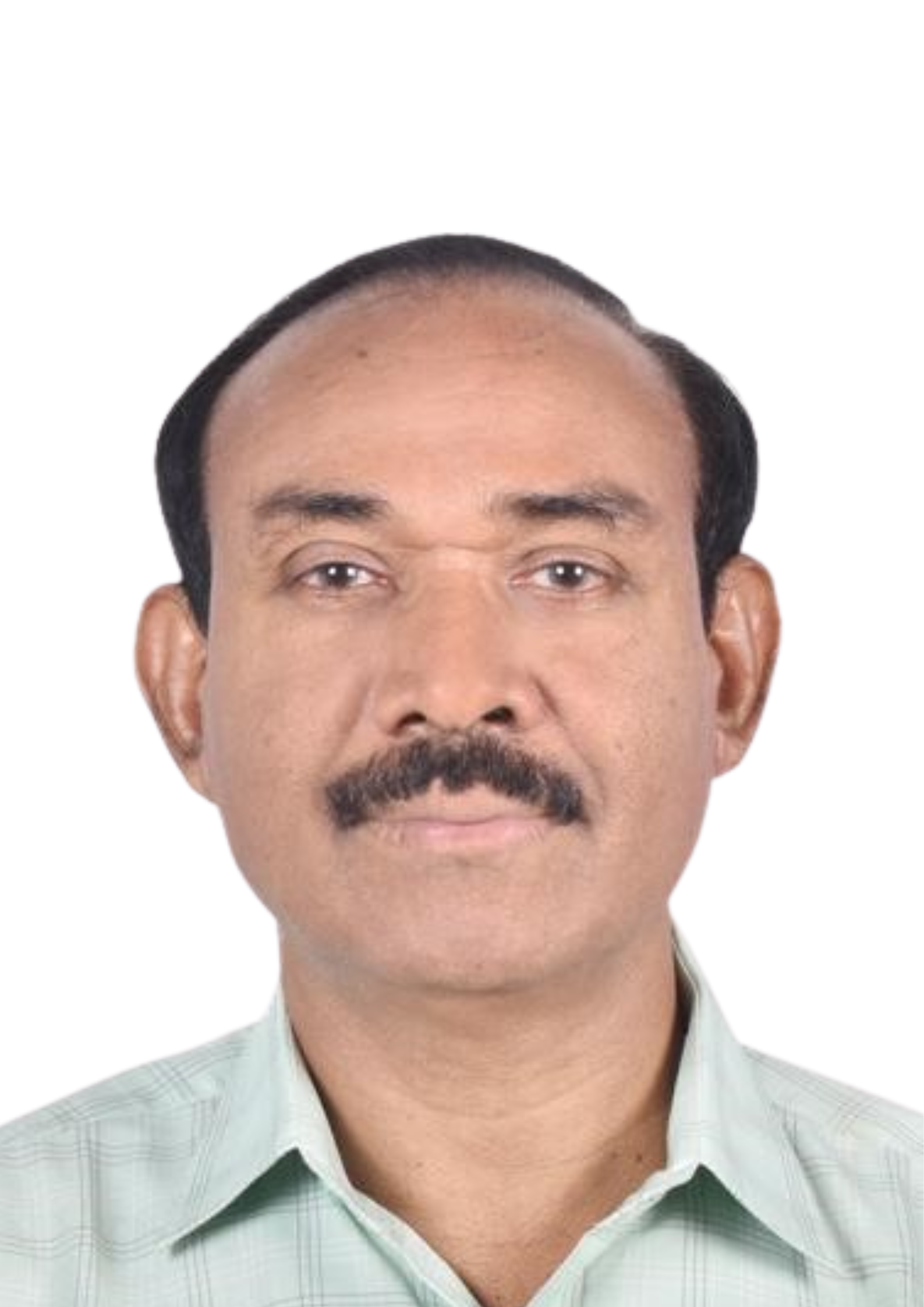
As an alumnus, I fondly recall the extraordinary opportunities, unwavering guidance, and encouragement provided by the college. The dedication and passion of the faculty here deeply inspired me. Their commitment to not only imparting knowledge but also nurturing critical thinking and a love for learning played a significant role in shaping my own career, especially as I later took up the mantle of teaching.This year, St. Thomas College, Pala, has reached another significant milestone by acquiring the status of an autonomous college. I attribute all my achievements to the solid foundation laid at St. Thomas College.
Dr. Babu Joseph, Former Associate Professor & Head of the Dept. of Hindi, K. E. College, Mannanam, Kottayam
( Former Member, Hindi Advisory Board, Ministry of Defence, Govt. of India, Former Member Syndicate, Sree Sankaracharya University of Sanskrit, Kalady, Kerala)
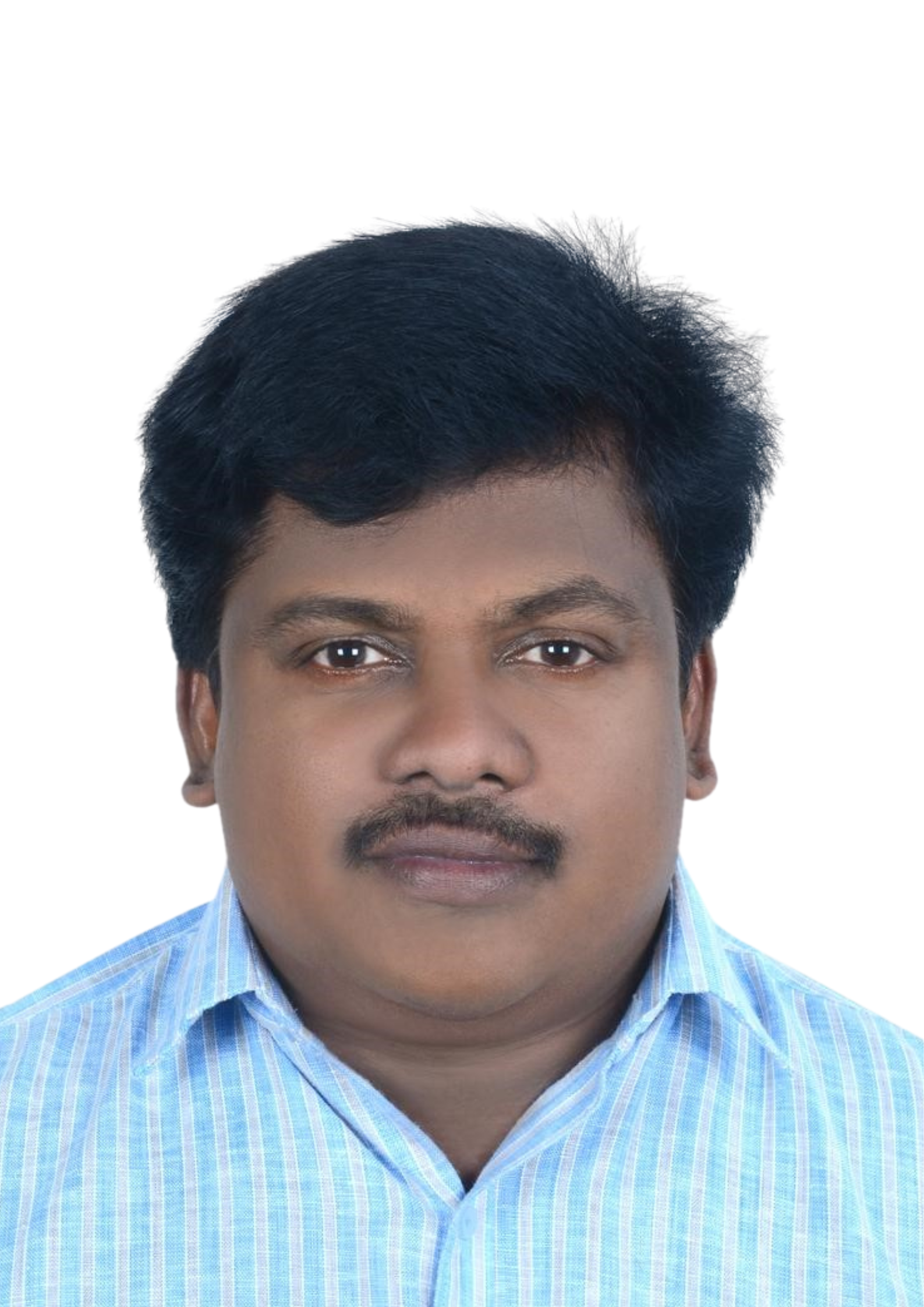
I am proud to have been a student at St. Thomas College, a revered institution nestled beside the meandering Meenachil river. My seven-year journey (1996-2003) at STC, where I completed my PDC, B.Sc and M.Sc was truly transformative. The college’s knowledgeable teachers, other supportive faculty and staff, and well-organized events helped me build confidence and gain invaluable experiences that have motivated me throughout my career. As an All India Service officer (AIS-IFS, 2012 batch), I attribute my success to the strong foundation laid by STC’s faculty and management, particularly the Botany department. The learning experience in Botany has been a constant source of inspiration throughout my career, influencing my performance in exams and various assignments and to achieve the culmination in my career. Notably, I joined STC after completing my Xth standard in Malayalam medium, but I emerged as a topper in both my degree and PG with proficiency in English, thanks to the college’s exceptional education and support.
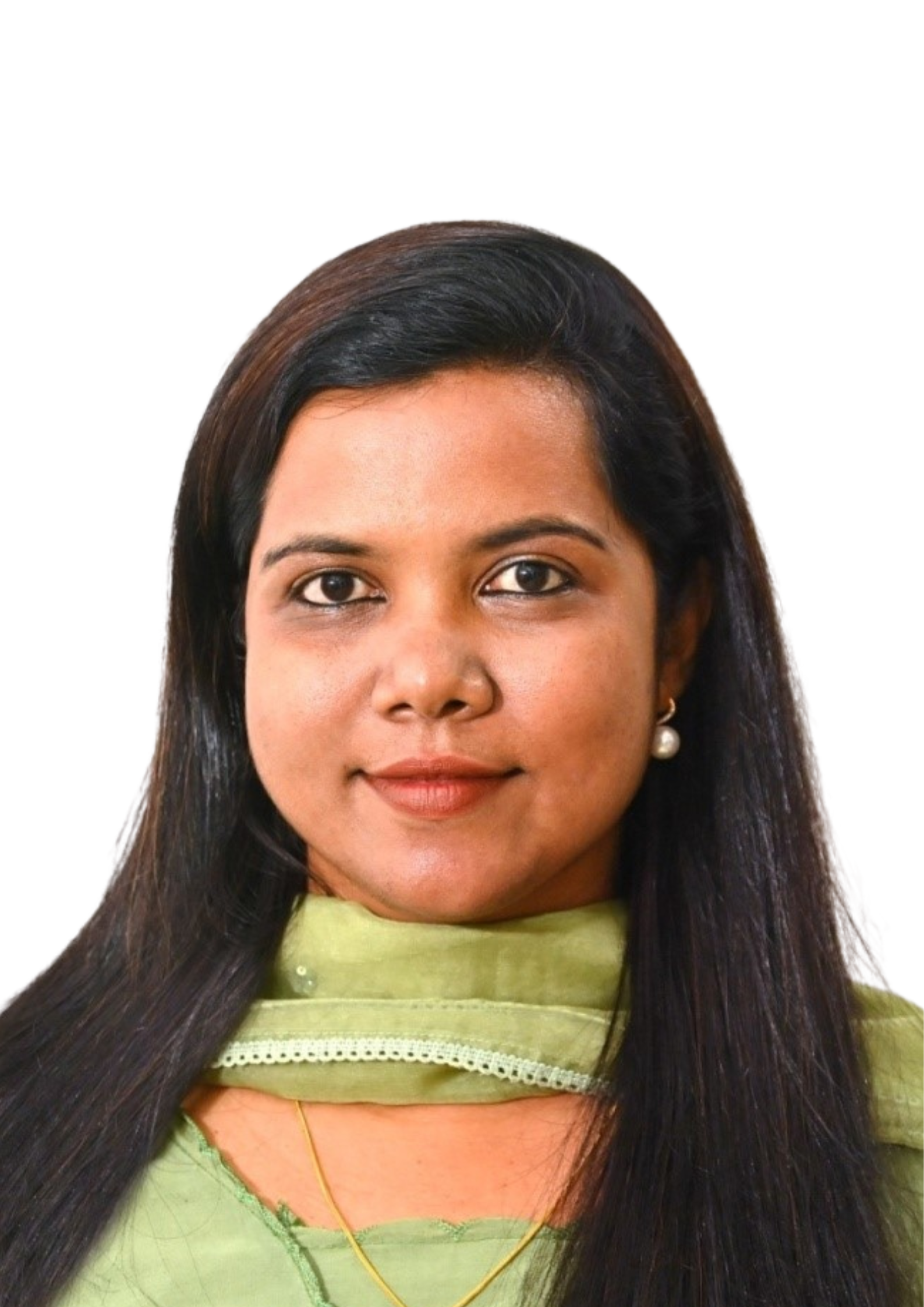
The campus was my world, where I grappled with complex theories and pushed the boundaries of my imaginations and understanding. MY alma-mater shaped me to what I am today
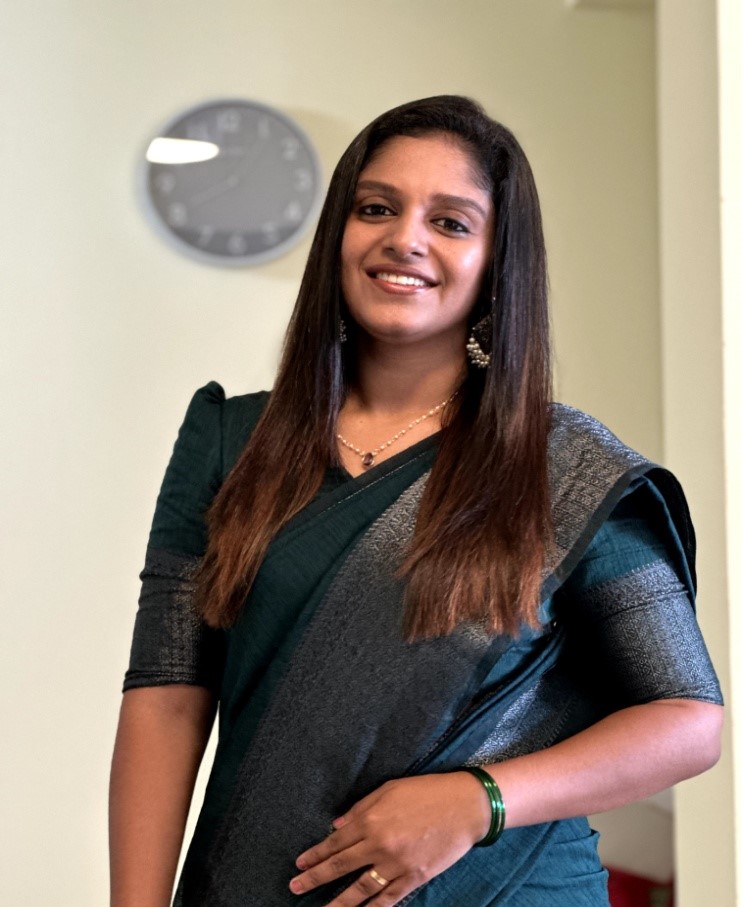
Reflecting on my time at St. Thomas College, I feel a deep sense of gratitude for the support provided by key figures in my academic journey. Chummar Sir, my Head of Department, and Jose Kora Sir, the principal at the time, played pivotal roles in my college experience. Their guidance and encouragement allowed me to explore and hone my skills and leadership abilities. The college environment fostered a positive mindset, even in challenging situations, which has been invaluable in my personal and professional growth.
Worked in Asianet News Network Private Limited as Journalist from 2016-2020
Public Relations Officer & Spokesperson for Kochi Metro Rail Limited and Kochi Water Metro Limited
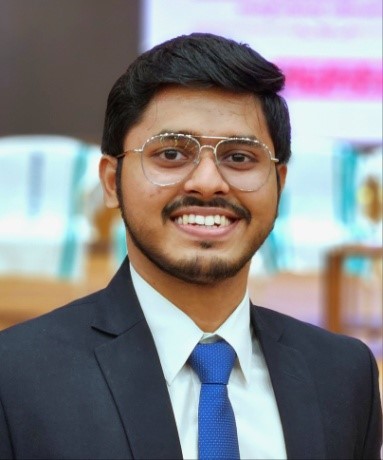
I am blessed to have lived my college life at St. Thomas College Palai and its endearing campus (BA Economics 2015–18). The insights I received from my Faculties at STC Palai and the inspiration I gained from the vibrant programmes at the college helped me attain my career goals. The outstanding co-curricular and extra-curricular facilities available at the college tempt me to be a student at St. Thomas College again.
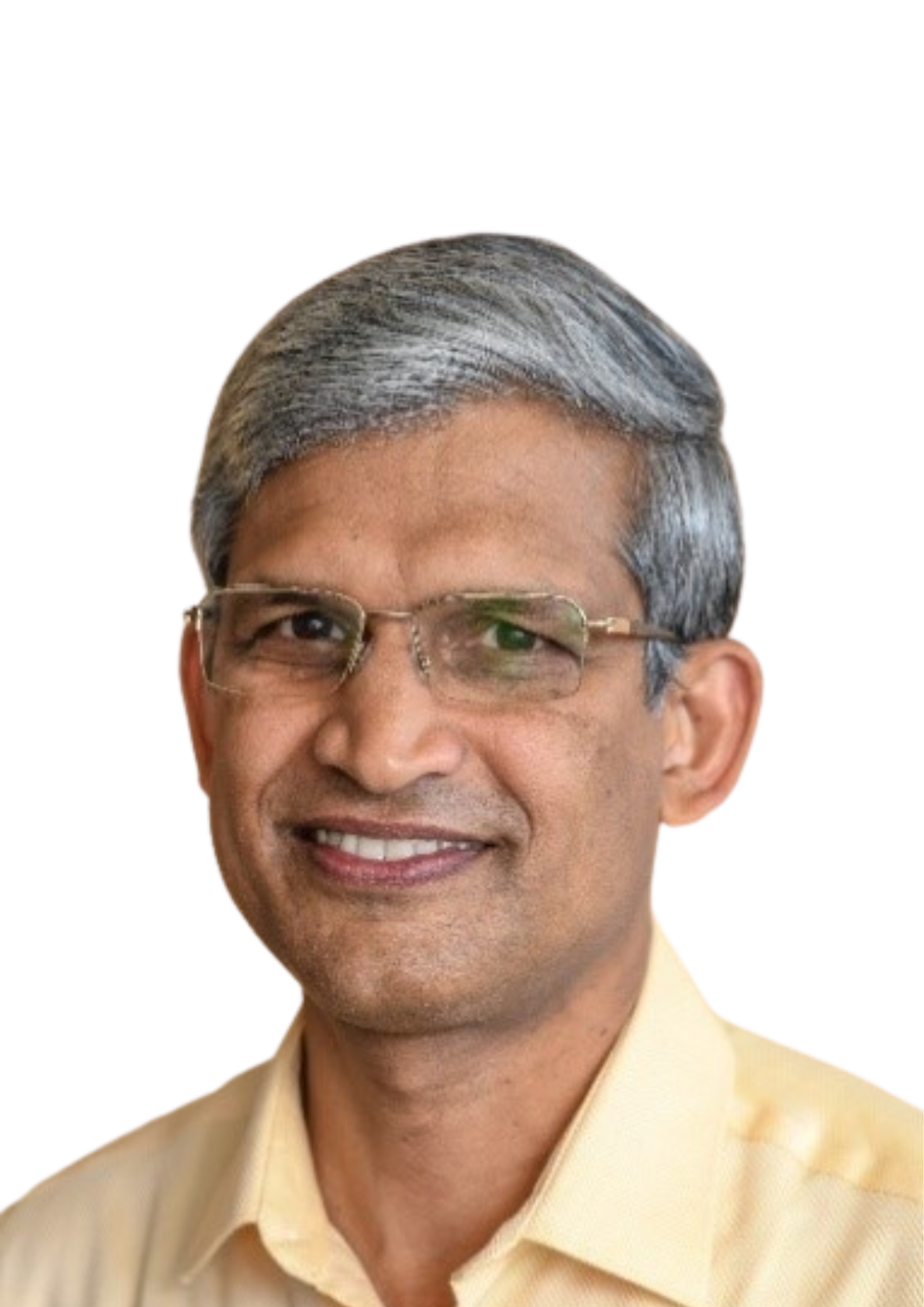
I fondly reflect on my five-year stint as an Undergraduate and Master’s student in Economics at St. Thomas College Palai, which undoubtedly prepared me not only to take on the challenges of every academic assignments but also as a better human being. Incredibly supportive professors and classmates, along with one of the best libraries and other facilities, extended a dream five years of my student life. We have often been challenged to explore beyond the classroom lectures, ultimately making students independent and creative.
Prof. K S James, Senior Visiting Scholar,
Tulane University, USA & Former Director & Senior Professor,
International Institute for Population Sciences (IIPS), Mumbai
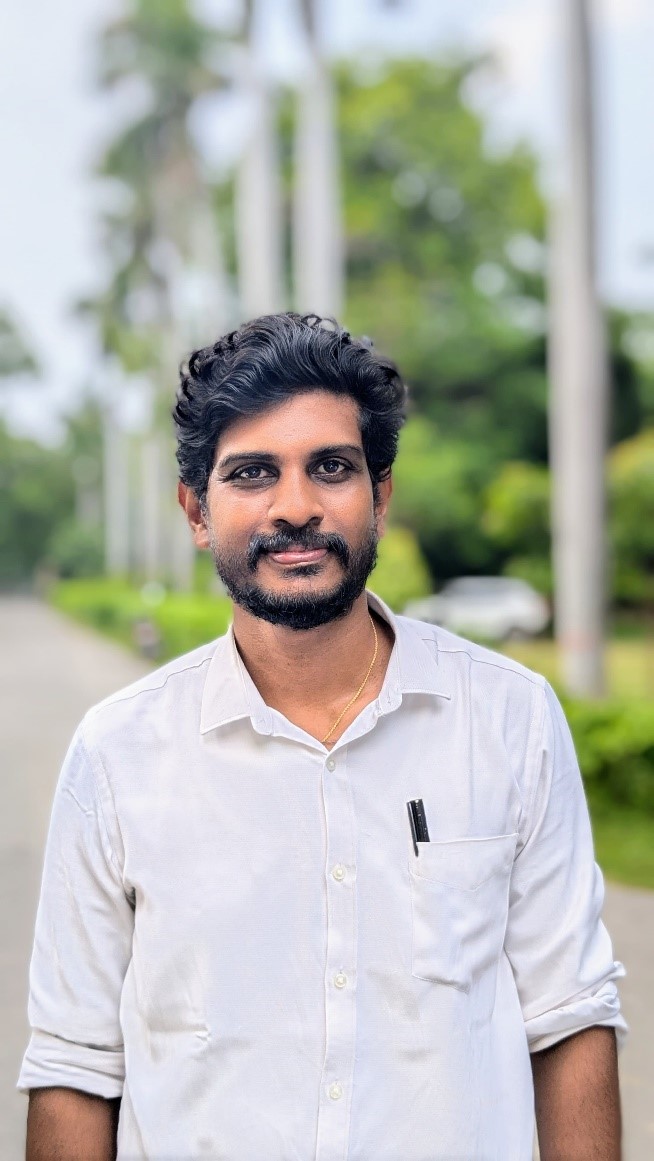
My college years were a transformative journey of growth, discovery, and connection. Late-night study sessions, thought-provoking discussions, and collaborative projects shaped me into a curious and resilient individual. I’m grateful for the academic rigor, supportive faculty, and lifelong friendships that continue to inspire me.
Dr. Jose Tom Rapheal
Assistant Professor, Department of AIHC & Archaeology
Banaras Hindu University, Varanasi, Uttar Pradesh, India
St Thomas College has played a special role in shaping my career. I learned the first strides in Archaeology from this grand institution.
Dr. Nikhil Das N.
Superintending Archaeologist, Hampi
Circle, Karnataka, Archaeological Survey of India
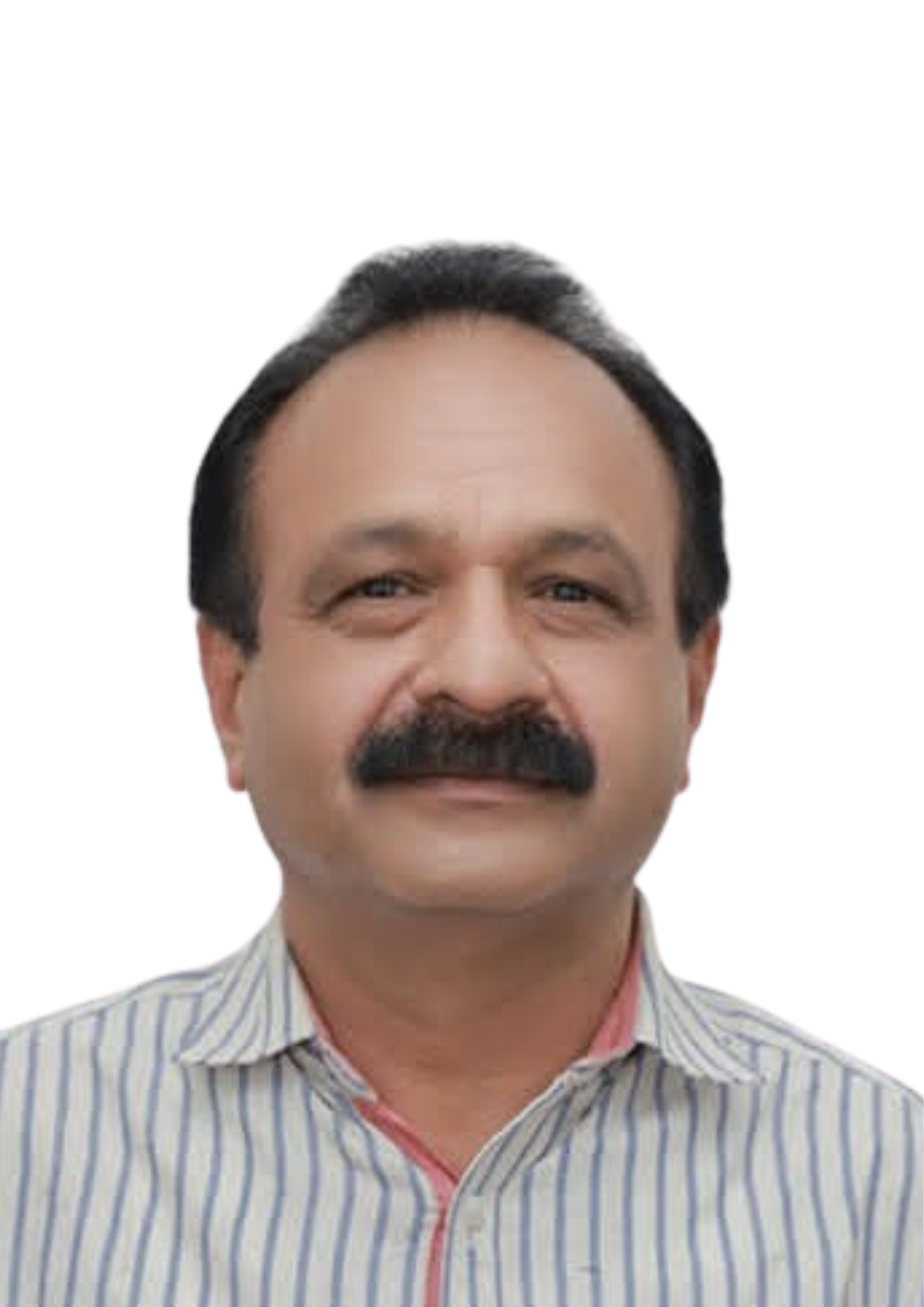
Transitioning from a student to a faculty member was a profound experience. It allowed me to contribute to the same academic community that nurtured me. As a faculty member, I witnessed firsthand the college’s commitment to academic excellence, holistic development, and fostering an inclusive and supportive environment. Beyond academics, the college has fostered a strong sense of community and belonging. The friendships forged, the values imparted, and the spirit of camaraderie that permeates the campus are treasures that I hold dear. The college’s emphasis on moral and ethical education has equipped me with the integrity and resilience to navigate life’s challenges with confidence and grace. St. Thomas College, Palai, has left an indelible mark on my life, and I am forever grateful for the opportunities and experiences it has provided. May this institution continue to shine brightly, inspiring future generations to achieve greatness and contribute positively to society. Happy Platinum Jubilee!
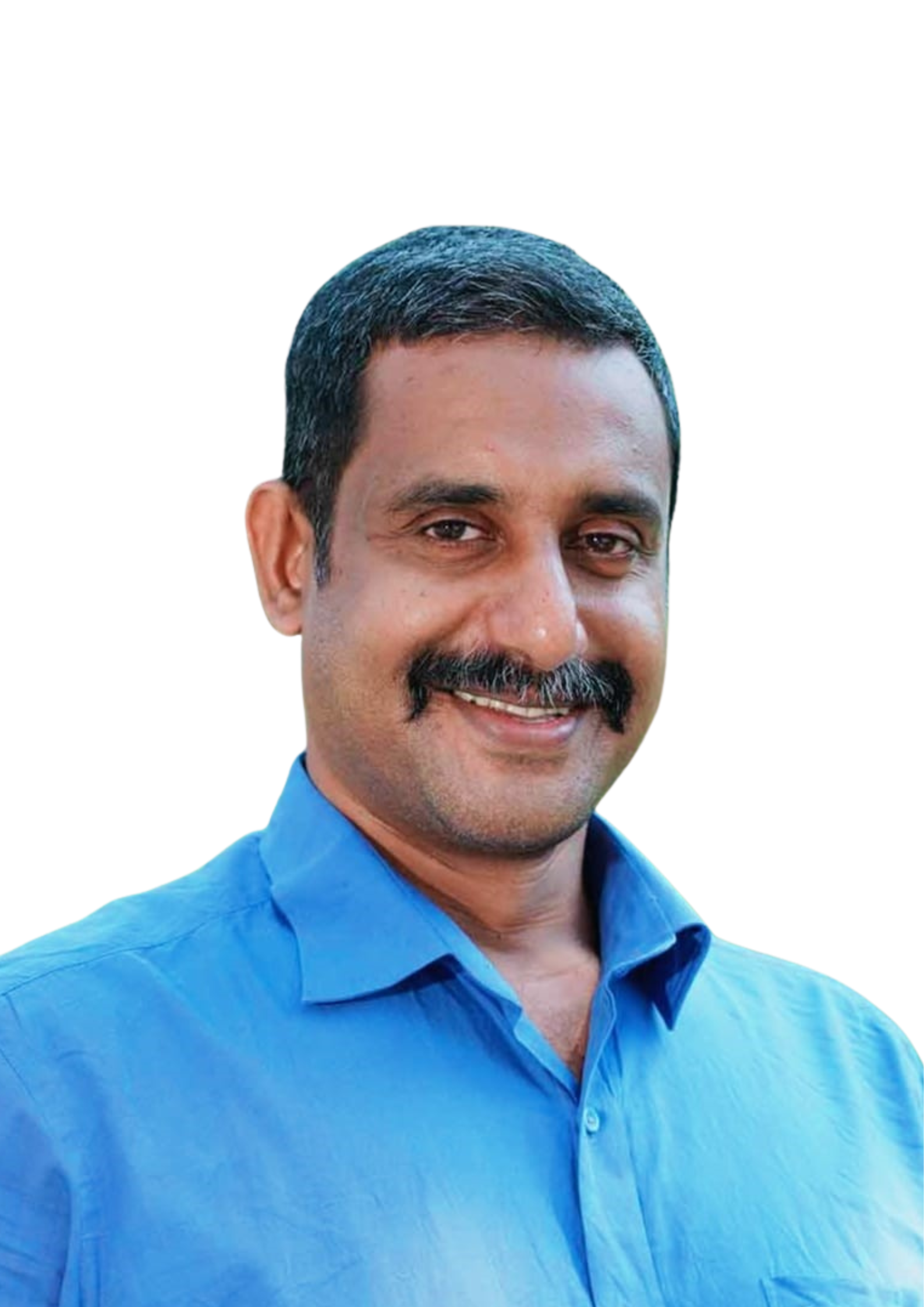
Current Position: Associate Dean (Academic) and Associate Professor
School of Computer Science and Engineering, Digital University Kerala
Period of Study: 1992-95
I completed my B.Sc. in Mathematics at St. Thomas College, Palai, where I earned the first rank from Mahatma Gandhi University. The outstanding Mathematics and Statistics faculty, along with the supportive scholastic environment and excellent library facilities, played a significant role in my success. This foundation helped me pass the admission tests for postgraduate programs at several IITs and other prestigious institutions, eventually leading to my enrollment in the M.Sc. Mathematics program at IIT Kanpur.
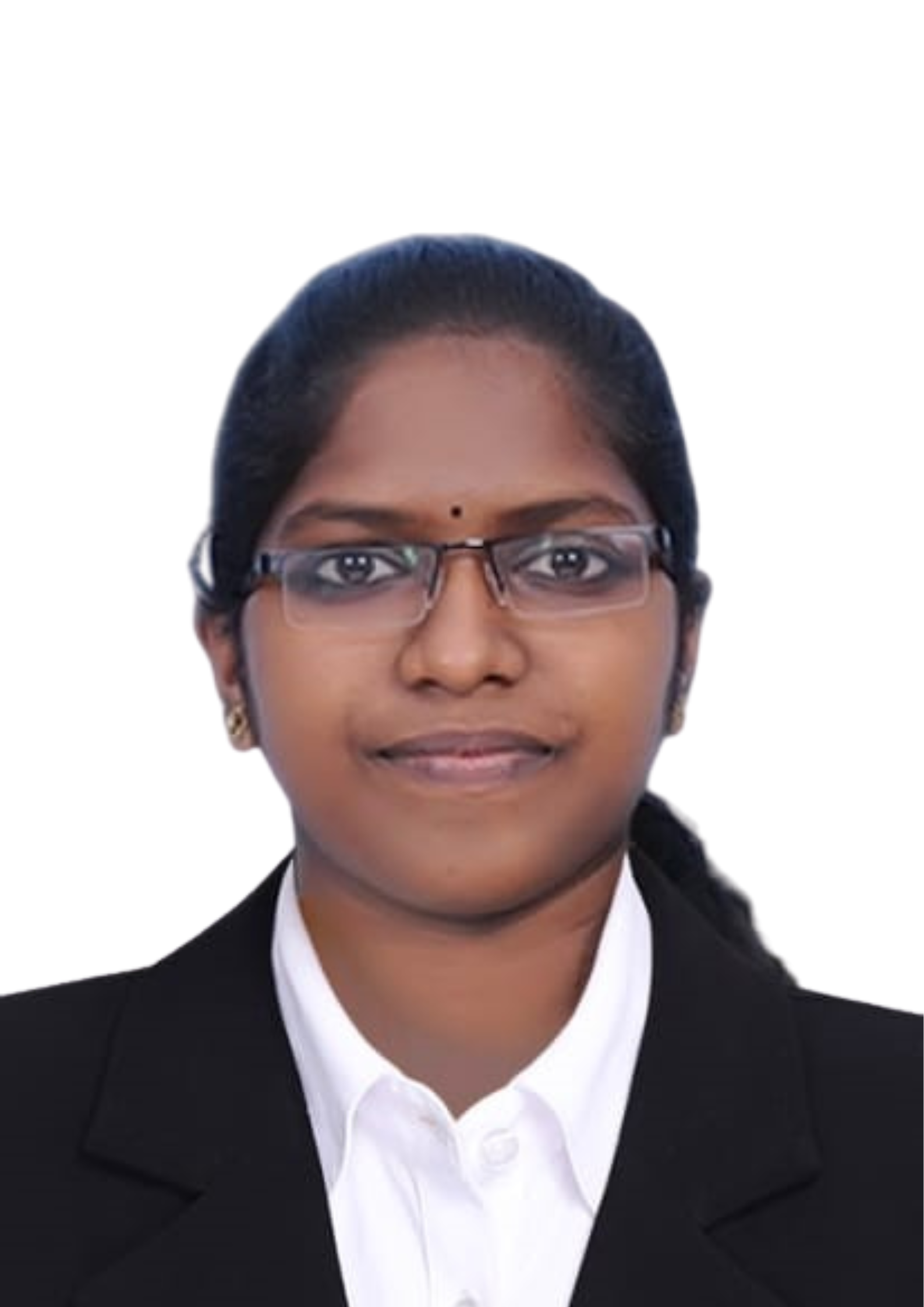
I spent some of the most memorable years of my college life at St. Thomas College studying B.Voc in Food Processing Technology. The course provided excellent lab facilities, industrial visits, training programs, and various extracurricular activities, which greatly enhanced my theoretical and practical knowledge. Additionally, I developed my leadership and communication skills with the continuous support and encouragement of my faculties. I am very grateful to have been a part of STC.
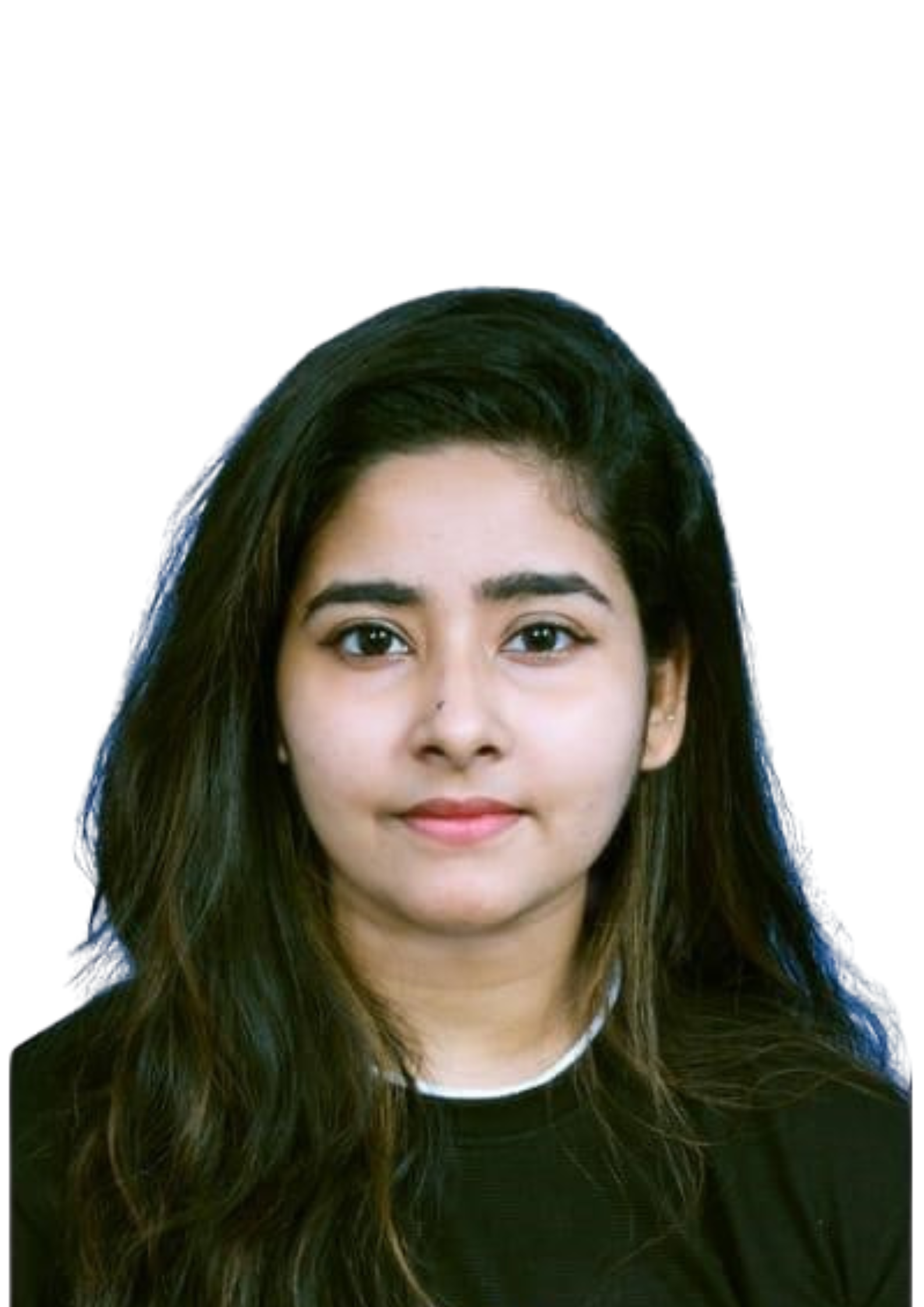
My name is Aleena Rose K. J. I have a Bachelor’s degree in BVoc Food Processing Technology from St. Thomas College, Palai (2019-2022 batch).
As an alumna of St. Thomas College, Palai, I am proud to have been part of the B.Voc Food Processing Technology program, which provided me with a solid foundation and practical skills in the food industry. The faculty’s dedication and the department’s state-of-the-art facilities have significantly contributed to my academic and professional growth, enabling me to pursue my Master’s degree in MSc Enviro Foods at the University of Hohenheim.
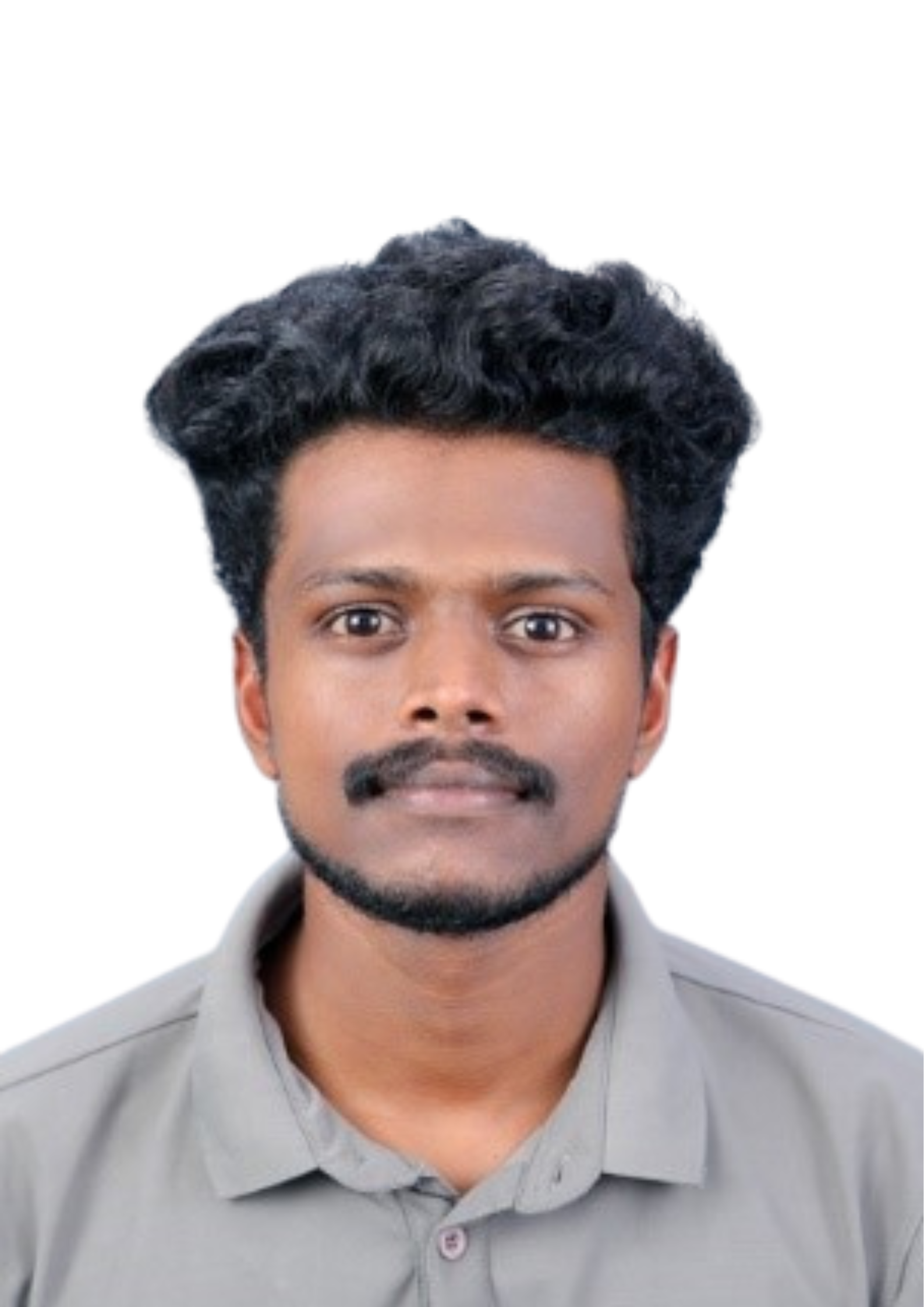
Myself, Rahul Raju was a student of 2020 batch in Department of B. Voc Sustainable Agriculture. The student life at St. Thomas college shaped my personality and career and now I am lucky to find a job in my passionate field, Agriculture.
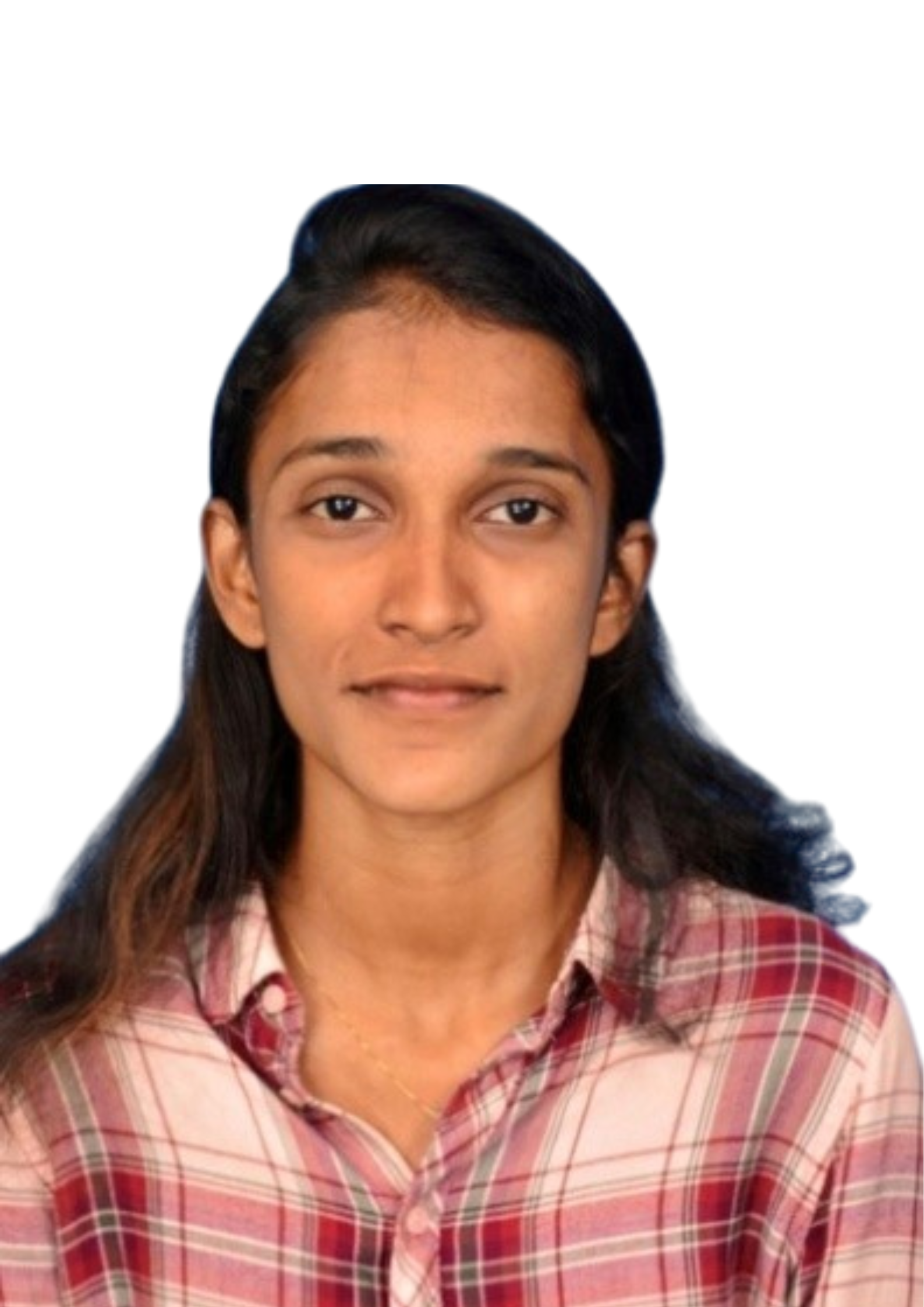
It has been a great pleasure to be part of department of B.Voc. Sustainable agriculture, St Thomas College Palai during the year of 2018- 2021. This institution played an important role in my personality development and career building. Ever upgrading infrastructure, excellent faculty and top-notch labs makes learning a delight at STC. The hands-on experience from the practical sessions helped me a lot to secure my job in Indian Institute of Technology Palakkad as a Horticulture Assistant.
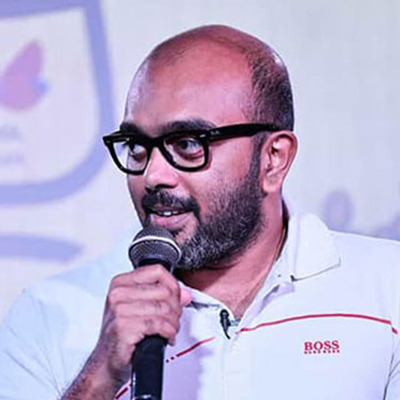
In the realm of academia, I found myself immersed in a transformative journey of growth, enriched by profound insights, lasting bonds, and cherished memories.
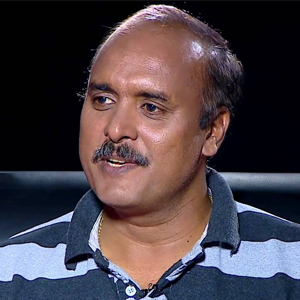
My College experience was enriching, filled with profound learning moments, invaluable connections, and personal growth opportunities.
Prepare – Learn – Apply – Succeed
Launching Successful Careers
Experience – Educate – Develop – Achieve
Success Stories from Diverse Paths
St. Thomas College provided an exceptional foundation during my MSc Biotechnology. The faculty were not only highly knowledgeable but also incredibly motivating and supportive, always encouraging us to excel. Their guidance has been pivotal in shaping my career, helping me thrive in my role as a Clinical Data Associate at Oxford University Clinical Research Unit.
St. Thomas College, Palai, holds a special place in my academic journey, and the Department of Biotechnology, where I completed my Master’s in Biotechnology (2022-2024), was truly transformative. The college’s vibrant campus and a legacy of academic excellence provided an ideal environment for learning and growth. The Department of Biotechnology, in particular, stood out for its world-class curriculum, dedicated faculty, and cutting-edge research opportunities.
Overall, my time at St. Thomas College, Palai, and the Department of Biotechnology was enriching and empowering. It not only equipped me with a strong foundation in Biotechnology but also prepared me with confidence and enthusiasm for the challenges of the future. I am deeply grateful for the opportunities and experiences that shaped me during this incredible journey.
Assistant Manager – Employee Experience and Employer Branding, Zetwerk Manufacturing Businesses Ltd, Bengaluru
My 3 years at St Thomas College has truly been a transformative journey, giving shape and direction to my further studies and career. The faculty has not been just a guiding light in academic development but also been a beacon for my personal and professional growth.
I had a fantastic experience at St. Thomas college where I completed my B. Com (CA) degree from 2014 to 2017. The college’s excellent faculty, exceptional facilities, and nurturing environment helped me grow academically and personally. I appreciated the opportunities to engage in extracurricular activities, develop practical skills, and form lasting bonds with peers and professors. St. Thomas college provided a solid foundation for my future, and I wholeheartedly recommend it to anyone seeking a well-rounded education.
Currently working as News Editor, Akashvani, New Delhi
St. Thomas College was instrumental in shaping my academic and professional path. The supportive faculty and vibrant campus equipped me with the knowledge and skills essential for my career. I am proud to be an alumnus and grateful for the experiences that helped shape my journey into the field of media and communication.
I am Dr. Midhun Sebastian Jose, a Postdoctoral fellow in “antimicrobial resistance and treatment strategies in Apiculture”, at the University of Saskatchewan, Canada. I started my academic journey studying a Bachelor of Science in Zoology from St. Thomas College, Pala.
My time at St. Thomas College, Pala, was pivotal in shaping both my academic and research career. The college offered a robust curriculum that not only broadened my knowledge but also deepened my understanding through active research extension activities. This comprehensive education fostered significant personal growth and intellectual development. I hold dear the lasting connections I built with both professors and peers, which enriched my experience and contributed greatly to my journey. Reflecting on my time at St. Thomas College, I am profoundly grateful for the transformative impact it had on my life
I am Joseph Roy, a PhD researcher in Eco-Psychology studying the effect of bird sounds on human emotions, at the University of Bangor, UK. I started my academic journey studying a Bachelor of Science in Zoology from St. Thomas College, Pala. My time at St. Thomas College, Pala, was instrumental in shaping my research career. The comprehensive academic curriculum, coupled with active involvement in extracurricular activities, provided me with a well-rounded education and personal growth. My participation in the National Cadet Corps instilled in me a disciplined lifestyle that continues to guide me today. Later, I pursued a Master of Science in Zoology from the University of Kerala, and a Master of Research in Ecology from the University of Glasgow, UK. Additionally, I am honoured to be a Darwin Leader representing India in the Darwin 200 programme, retracing the journey of HMS Beagle and Charles Darwin. Where ever I go I always keep St Thomas in my heart.
My experience in the Department of Biostatistics at St. Thomas College, Pala, was both enriching and practical. The program offered strong industrial exposure and hands-on training, helping me apply biostatistics to real-world challenges. The faculty’s expertise and the collaborative peer learning environment fostered a deeper understanding of the subject. Additionally, the placement assistance provided valuable support in launching my career. Overall, it was a well-rounded academic experience that has significantly contributed to my professional growth.
I had an incredible experience at St. Thomas college. The faculty were supportive and knowledgeable, and the resources available helped me reach my full potential. The M.Sc biostatistics program which I was part of challenged me to think critically and creatively, prepared me for a successful career. I’m grateful for the opportunities I had here and would highly recommend my college to anyone looking for a well-rounded education which will pave the way for wonderful different careers.
As a BCA graduate from the 2015-18 batch at St. Thomas College, Pala, I am grateful for the strong foundation and valuable experiences the college provided. The supportive faculty and practical learning approach prepared me well for my current role as a Business Analyst and continue to guide me in my professional journey.
St. Thomas College Pala played a pivotal role in my journey from completing my BCA to landing a position at Deloitte, and eventually cracking the CAT to enter an IIM. The constant support and inspiration from my teachers laid a strong foundation for my career. Now, as a cybersecurity consultant at Capgemini, I deeply appreciate the impact of their guidance on my professional success.
It is with immense joy and gratitude that I recollect my student days at St Thomas College Palai. I was fortunate to study in this great institution from 1976 to 1983. This college nurtured me by entitling me to learn and foster leadership skills. It is heartening to note that the serenity and tranquillity that prevailed on the campus in those days are still present. Like tens of thousands of others, the College played a pivotal role in shaping and building me. On this platinum jubilee year, I wish all the best to my alma mater.
As an alumnus, I fondly recall the extraordinary opportunities, unwavering guidance, and encouragement provided by the college. The dedication and passion of the faculty here deeply inspired me. Their commitment to not only imparting knowledge but also nurturing critical thinking and a love for learning played a significant role in shaping my own career, especially as I later took up the mantle of teaching.This year, St. Thomas College, Pala, has reached another significant milestone by acquiring the status of an autonomous college. I attribute all my achievements to the solid foundation laid at St. Thomas College.
Dr. Babu Joseph, Former Associate Professor & Head of the Dept. of Hindi, K. E. College, Mannanam, Kottayam
( Former Member, Hindi Advisory Board, Ministry of Defence, Govt. of India, Former Member Syndicate, Sree Sankaracharya University of Sanskrit, Kalady, Kerala)
I am proud to have been a student at St. Thomas College, a revered institution nestled beside the meandering Meenachil river. My seven-year journey (1996-2003) at STC, where I completed my PDC, B.Sc and M.Sc was truly transformative. The college’s knowledgeable teachers, other supportive faculty and staff, and well-organized events helped me build confidence and gain invaluable experiences that have motivated me throughout my career. As an All India Service officer (AIS-IFS, 2012 batch), I attribute my success to the strong foundation laid by STC’s faculty and management, particularly the Botany department. The learning experience in Botany has been a constant source of inspiration throughout my career, influencing my performance in exams and various assignments and to achieve the culmination in my career. Notably, I joined STC after completing my Xth standard in Malayalam medium, but I emerged as a topper in both my degree and PG with proficiency in English, thanks to the college’s exceptional education and support.
The campus was my world, where I grappled with complex theories and pushed the boundaries of my imaginations and understanding. MY alma-mater shaped me to what I am today
Reflecting on my time at St. Thomas College, I feel a deep sense of gratitude for the support provided by key figures in my academic journey. Chummar Sir, my Head of Department, and Jose Kora Sir, the principal at the time, played pivotal roles in my college experience. Their guidance and encouragement allowed me to explore and hone my skills and leadership abilities. The college environment fostered a positive mindset, even in challenging situations, which has been invaluable in my personal and professional growth.
Worked in Asianet News Network Private Limited as Journalist from 2016-2020
Public Relations Officer & Spokesperson for Kochi Metro Rail Limited and Kochi Water Metro Limited
I am blessed to have lived my college life at St. Thomas College Palai and its endearing campus (BA Economics 2015–18). The insights I received from my Faculties at STC Palai and the inspiration I gained from the vibrant programmes at the college helped me attain my career goals. The outstanding co-curricular and extra-curricular facilities available at the college tempt me to be a student at St. Thomas College again.
I fondly reflect on my five-year stint as an Undergraduate and Master’s student in Economics at St. Thomas College Palai, which undoubtedly prepared me not only to take on the challenges of every academic assignments but also as a better human being. Incredibly supportive professors and classmates, along with one of the best libraries and other facilities, extended a dream five years of my student life. We have often been challenged to explore beyond the classroom lectures, ultimately making students independent and creative.
Prof. K S James, Senior Visiting Scholar,
Tulane University, USA & Former Director & Senior Professor,
International Institute for Population Sciences (IIPS), Mumbai
My college years were a transformative journey of growth, discovery, and connection. Late-night study sessions, thought-provoking discussions, and collaborative projects shaped me into a curious and resilient individual. I’m grateful for the academic rigor, supportive faculty, and lifelong friendships that continue to inspire me.
Dr. Jose Tom Rapheal
Assistant Professor, Department of AIHC & Archaeology
Banaras Hindu University, Varanasi, Uttar Pradesh, India
St Thomas College has played a special role in shaping my career. I learned the first strides in Archaeology from this grand institution.
Dr. Nikhil Das N.
Superintending Archaeologist, Hampi
Circle, Karnataka, Archaeological Survey of India
Transitioning from a student to a faculty member was a profound experience. It allowed me to contribute to the same academic community that nurtured me. As a faculty member, I witnessed firsthand the college’s commitment to academic excellence, holistic development, and fostering an inclusive and supportive environment. Beyond academics, the college has fostered a strong sense of community and belonging. The friendships forged, the values imparted, and the spirit of camaraderie that permeates the campus are treasures that I hold dear. The college’s emphasis on moral and ethical education has equipped me with the integrity and resilience to navigate life’s challenges with confidence and grace. St. Thomas College, Palai, has left an indelible mark on my life, and I am forever grateful for the opportunities and experiences it has provided. May this institution continue to shine brightly, inspiring future generations to achieve greatness and contribute positively to society. Happy Platinum Jubilee!
Current Position: Associate Dean (Academic) and Associate Professor
School of Computer Science and Engineering, Digital University Kerala
Period of Study: 1992-95
I completed my B.Sc. in Mathematics at St. Thomas College, Palai, where I earned the first rank from Mahatma Gandhi University. The outstanding Mathematics and Statistics faculty, along with the supportive scholastic environment and excellent library facilities, played a significant role in my success. This foundation helped me pass the admission tests for postgraduate programs at several IITs and other prestigious institutions, eventually leading to my enrollment in the M.Sc. Mathematics program at IIT Kanpur.
I spent some of the most memorable years of my college life at St. Thomas College studying B.Voc in Food Processing Technology. The course provided excellent lab facilities, industrial visits, training programs, and various extracurricular activities, which greatly enhanced my theoretical and practical knowledge. Additionally, I developed my leadership and communication skills with the continuous support and encouragement of my faculties. I am very grateful to have been a part of STC.
My name is Aleena Rose K. J. I have a Bachelor’s degree in BVoc Food Processing Technology from St. Thomas College, Palai (2019-2022 batch).
As an alumna of St. Thomas College, Palai, I am proud to have been part of the B.Voc Food Processing Technology program, which provided me with a solid foundation and practical skills in the food industry. The faculty’s dedication and the department’s state-of-the-art facilities have significantly contributed to my academic and professional growth, enabling me to pursue my Master’s degree in MSc Enviro Foods at the University of Hohenheim.
Myself, Rahul Raju was a student of 2020 batch in Department of B. Voc Sustainable Agriculture. The student life at St. Thomas college shaped my personality and career and now I am lucky to find a job in my passionate field, Agriculture.
It has been a great pleasure to be part of department of B.Voc. Sustainable agriculture, St Thomas College Palai during the year of 2018- 2021. This institution played an important role in my personality development and career building. Ever upgrading infrastructure, excellent faculty and top-notch labs makes learning a delight at STC. The hands-on experience from the practical sessions helped me a lot to secure my job in Indian Institute of Technology Palakkad as a Horticulture Assistant.
In the realm of academia, I found myself immersed in a transformative journey of growth, enriched by profound insights, lasting bonds, and cherished memories.
My College experience was enriching, filled with profound learning moments, invaluable connections, and personal growth opportunities.

